
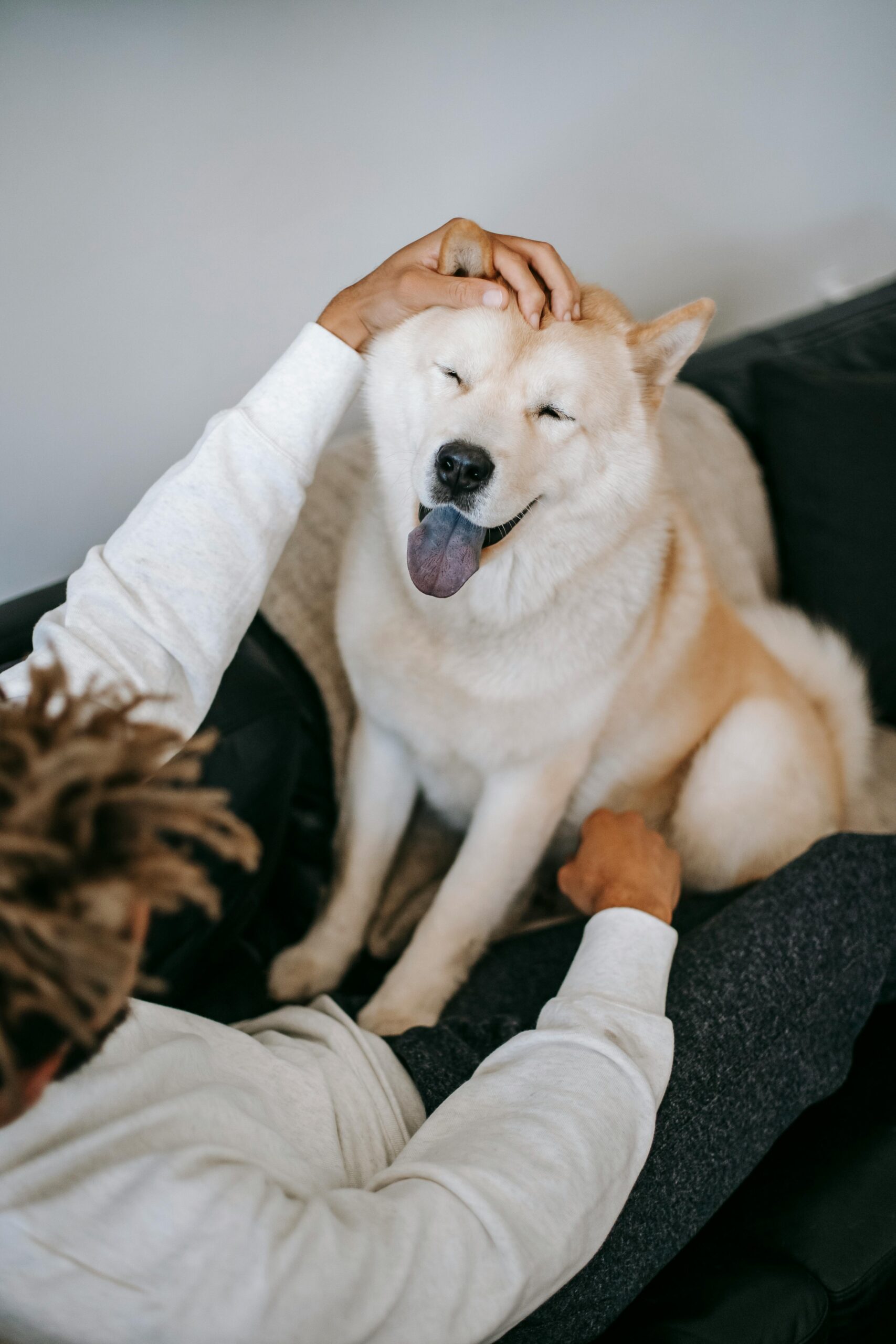
Dog care at home is the first responsibility every new dog owner must master. Many people adopt a dog with love and excitement, but without the right knowledge, small mistakes can quickly turn into serious health and behavior problems.
In this guide, we’ll expose the 9 most common and dangerous mistakes new owners make—and show you how to fix them using smart, affordable, and vet-approved solutions.
Mistake #1: Feeding Without Understanding Nutrition
One of the biggest errors in dog care is assuming all dog food is the same.
Many owners buy cheap food without reading labels. This leads to obesity, allergies, and digestive issues.
Correct approach:
- Choose AAFCO-approved dog food
- Match food to age and breed
- Avoid artificial fillers
👉 Learn more from the American Kennel Club nutrition guide (DoFollow):
https://www.akc.org/expert-advice/nutrition/
Mistake #2: Ignoring Exercise Needs
Another major dog care at home mistake is underestimating daily exercise.
Dogs without exercise become anxious, overweight, and destructive.
Daily guideline:
- Small dogs: 30–45 minutes
- Medium dogs: 45–60 minutes
- Large dogs: 60–90 minutes
Short walks are not optional—they are essential.
Mistake #3: Skipping Training at Home
Many new owners delay training, assuming dogs will “learn naturally.”
In reality, untrained dogs develop bad habits fast.
Fix:
- Start basic commands early
- Use positive reinforcement
- Be consistent
👉 How to Train a Dog at Home (Beginner Guide)
Mistake #4: Poor Grooming Habits
Improper grooming is a silent killer in dog care at home routines.
Dirty coats cause skin infections and parasites.
Basic grooming routine:
- Brush 2–3 times weekly
- Bathe every 4–6 weeks
- Trim nails monthly

Mistake #5: Avoiding Preventive Health Care
Skipping preventive care is one of the most expensive mistakes owners make.
Flea, tick, and heartworm diseases are common in the US.
Essential prevention:
- Annual vet checkups
- Monthly parasite prevention
- Vaccinations
👉 Common Dog Diseases in the USA
Mistake #6: No Mental Stimulation
Mental neglect is often overlooked in dog care.
Bored dogs bark, chew furniture, and escape yards.
Solutions:
- Puzzle toys
- Scent games
- Short training sessions

Mistake #7: Inconsistent Daily Routine
Dogs thrive on routine. Random feeding and walk times confuse them.
A stable schedule improves behavior and digestion.
Set fixed times for:
- Feeding
- Walks
- Play
- Sleep
This strengthens trust and discipline.
Mistake #8: Ignoring Emotional Bonding
Dog care at home is not only physical—it’s emotional.
Dogs left alone without bonding develop anxiety.
Build connection by:
- Daily playtime
- Calm communication
- Gentle affection

Mistake #9: Buying Products Without Research
Impulse buying harms both dogs and wallets.
Cheap collars, poor food, and unsafe toys cause injuries.
Smart buying tips:
- Read reviews
- Choose vet-recommended brands
- Invest in quality once
👉 Best Dog Products for Home Care
Best Products That Improve Dog Care at Home
- Premium dry dog food (AAFCO approved)
- Joint & multivitamin supplements
- Flea & tick prevention chewables
- Home grooming kits
Final Thoughts
Dog care at home is not about being perfect—it is about being informed, consistent, and intentional. New dog owners often believe that love alone is enough, but as you have seen throughout this guide, even small mistakes can quietly damage a dog’s physical health, emotional stability, and long-term quality of life. The good news is that every mistake discussed here is 100% preventable when you understand what responsible dog care truly involves.
The reality is simple: dogs depend entirely on their owners. They cannot choose their food, their routine, their exercise level, or their medical care. Every decision you make at home—what you feed, how often you walk, whether you train consistently, and how much attention you give—directly shapes your dog’s behavior, lifespan, and happiness. When dog care at home is handled correctly, dogs become calmer, healthier, easier to manage, and far less expensive to care for in the long run.
One of the biggest advantages of mastering dog care at home is cost control. In the United States, veterinary bills, grooming services, and professional training can quickly add up to thousands of dollars each year. Many of these expenses are not unavoidable—they are the result of poor nutrition, lack of preventive care, inconsistent routines, or delayed training. By investing early in quality food, basic grooming tools, preventive health products, and proper training resources, you dramatically reduce the risk of emergencies, chronic illnesses, and behavioral problems later on.
Another overlooked benefit of proper dog care at home is behavioral stability. Most problem behaviors—excessive barking, chewing, aggression, anxiety, and disobedience—are not signs of a “bad dog.” They are signs of unmet needs. Dogs that receive daily exercise, mental stimulation, emotional bonding, and clear boundaries are naturally more balanced. They listen better, adapt faster, and integrate more smoothly into family life. This is especially important for new owners who may feel overwhelmed or frustrated during the early months.
Emotional care deserves special attention. Dogs are social animals that form deep attachments to their humans. When dog care at home focuses only on physical needs and ignores bonding, dogs can develop separation anxiety, depression, or fear-based behaviors. Simple daily habits—such as structured playtime, calm communication, and predictable routines—build trust and confidence. A dog that feels secure at home is easier to train, less reactive, and far more enjoyable to live with.
It is also important to understand that dog care is not static. Puppies, adult dogs, and senior dogs all have different needs. What works during the first year may need adjustment as your dog ages. Joint support, dietary changes, reduced exercise intensity, and more frequent health monitoring become increasingly important over time. Responsible dog care at home means being willing to adapt and evolve as your dog’s body and behavior change.
Many new owners make the mistake of relying on guesswork or advice from unreliable sources. In today’s digital world, misinformation spreads easily, and not all dog advice is safe or science-based. That is why linking your dog care decisions to trusted resources—such as veterinarians, recognized canine organizations, and evidence-based training methods—is essential. Educated decisions always outperform emotional or impulsive ones.
Finally, dog care at home is not just about avoiding mistakes—it is about creating a lifestyle that benefits both you and your dog. Dogs that are well cared for bring structure, companionship, stress relief, and joy into their owners’ lives. They encourage daily movement, social interaction, and emotional connection. When care is done right, the relationship becomes mutually rewarding rather than stressful.
If there is one takeaway from this guide, it is this: small daily choices matter more than occasional big efforts. You do not need expensive gadgets, extreme routines, or constant professional help. You need consistency, awareness, and a willingness to learn. By avoiding the nine mistakes outlined in this article and committing to smart dog care at home, you are giving your dog the best possible chance at a long, healthy, and happy life.
In the end, responsible dog ownership is not measured by how much you spend—but by how well you understand and meet your dog’s needs. Start with the basics, stay consistent, and keep improving. Your dog will reward you with loyalty, trust, and unconditional companionship for years to come.
Beyond health and behavior, dog care at home also shapes the identity and confidence of your dog. Dogs raised in a stable, well-managed home environment grow into animals that are adaptable and resilient. They handle changes—new environments, visitors, travel, or schedule shifts—far better than dogs raised without structure. This adaptability reduces stress for both the dog and the owner and makes everyday life smoother and more predictable.
Consistency is the hidden force behind successful dog care. Dogs do not understand mixed signals. When rules change daily, routines are skipped, or expectations are unclear, dogs become confused. Confusion often appears as stubbornness, anxiety, or defiance, but it is simply a lack of clarity. Clear routines for feeding, walking, training, and rest create a sense of security. Over time, this security turns into trust—and trust is the foundation of obedience and calm behavior.
Another key element many new owners underestimate is environmental management. Dog care at home is not only about what you do directly with your dog, but also about how you design your home environment. Safe chew toys prevent furniture damage, designated sleeping areas improve rest, and organized feeding spaces reduce stress. Small adjustments in the home can prevent accidents, injuries, and unwanted behaviors before they ever start.
It is also worth acknowledging that no dog owner gets everything right all the time. Mistakes are part of the learning process. What separates responsible owners from careless ones is not perfection, but accountability. When something goes wrong—weight gain, behavioral changes, digestive issues—the solution is not denial. It is observation, adjustment, and action. Effective dog care at home means noticing changes early and responding quickly, rather than waiting for problems to escalate.
From a long-term perspective, good dog care is an investment, not an expense. Money spent on quality food, preventive care, training, and safe products almost always saves more money later. Emergency vet visits, behavioral rehabilitation, and chronic health conditions are far more expensive—financially and emotionally—than proactive care. Owners who think long-term consistently experience fewer crises and greater peace of mind.
Dog care at home also teaches responsibility and empathy, especially in families with children. When children observe proper care routines, gentle handling, and respect for animals, they learn valuable life skills. A well-cared-for dog becomes a positive influence in the household rather than a source of conflict or stress.
Ultimately, dog care at home is a daily commitment to doing small things well. It is choosing consistency over convenience, education over assumptions, and prevention over reaction. When you commit to these principles, you are not just caring for a pet—you are building a relationship based on trust, respect, and understanding.
As your experience grows, so will your confidence. Over time, what once felt overwhelming becomes second nature. Feeding, grooming, training, and health monitoring become habits rather than tasks. And in that routine, you will find one of the greatest rewards of dog ownership: a calm, healthy dog that feels safe, loved, and truly at home with you.
One more aspect of dog care at home that deserves attention is owner mindset. Many new dog owners approach care reactively—they respond only when a problem appears. Effective dog care, however, is proactive. It is about anticipating needs before they turn into issues. This mindset shift alone dramatically improves outcomes. Owners who plan meals, schedule exercise, monitor behavior, and maintain routines rarely face emergencies. Their dogs thrive because their needs are met consistently, not sporadically.
Patience is another underestimated pillar of proper care. Dogs do not think or learn like humans. Repetition, reinforcement, and time are essential. Expecting instant results—whether in training, behavior, or health—often leads to frustration and poor decisions. Dog care at home works best when owners adopt a long-term perspective. Small improvements compound over weeks and months, eventually producing noticeable and lasting results.
Social exposure also plays a crucial role. While dog care at home focuses on the household environment, responsible owners gradually introduce dogs to new experiences—other people, animals, sounds, and locations. Controlled social exposure reduces fear and reactivity, helping dogs remain calm and confident in unfamiliar situations. This is especially important in urban and suburban US settings, where dogs encounter constant stimuli. Balanced exposure creates adaptable dogs that can handle real-world environments without stress.
Another common oversight is failing to reassess routines. As life changes—new jobs, schedule shifts, moving homes—dog care routines must adapt as well. Dogs rely on predictability, but predictability does not mean rigidity. Thoughtful adjustments, introduced gradually, help dogs transition smoothly through changes without anxiety. Owners who recognize this maintain stability even during major life transitions.
Good dog care at home also means knowing when not to act. Overcorrecting behavior, excessive discipline, or constant interference can create confusion and stress. Calm leadership, rather than control, produces better results. Dogs respond best to clarity, consistency, and confidence—not force. Owners who remain calm during challenges set the emotional tone for the household, helping dogs feel secure even during stressful moments.
It is also important to recognize that every dog is an individual. Breed tendencies matter, but personality matters more. Some dogs need more activity, others need more reassurance, and some need more mental stimulation. Effective dog care adapts to the individual rather than following rigid formulas. Observing your dog’s reactions, energy levels, and preferences allows you to fine-tune care in ways that generic advice cannot.
Over time, responsible dog care at home transforms the owner as much as the dog. It builds discipline, empathy, and awareness. Daily routines become moments of connection rather than chores. Walks become stress relief, training becomes communication, and care becomes a shared rhythm of life. These intangible benefits are often more valuable than any practical advantage.
In the end, dog care at home is about stewardship. Dogs give loyalty without conditions, trust without hesitation, and companionship without expectation. In return, they deserve care that is thoughtful, informed, and consistent. When owners embrace this responsibility fully, the result is not just a well-cared-for dog, but a partnership built on mutual respect and understanding—one that enriches everyday life in ways few other relationships can.
A final dimension of dog care at home that many owners only appreciate with time is observation. Dogs communicate constantly through body language, energy levels, appetite, and behavior. Subtle changes—sleeping more than usual, eating less eagerly, avoiding play, or becoming unusually clingy—often signal that something is off. Owners who practice attentive observation can identify issues early, long before they require professional intervention. This attentiveness is one of the most powerful yet cost-free tools in responsible dog care.
Equally important is understanding the balance between independence and supervision. While dogs need structure and guidance, they also benefit from learning how to self-regulate. Allowing a dog to settle on its own, entertain itself briefly, or explore a safe environment builds confidence and reduces separation-related issues. Over-managing every moment can unintentionally create dependency. Thoughtful dog care at home encourages calm independence while remaining available when support is needed.
Rest is another often neglected element. In busy households, dogs are sometimes overstimulated—constant noise, irregular schedules, or excessive activity can lead to fatigue and irritability. Quality rest is essential for physical recovery, learning, and emotional balance. Providing a quiet, comfortable sleeping area and respecting rest times is just as important as exercise and training. A well-rested dog is more attentive, healthier, and easier to manage.
Seasonal adjustments also play a role in long-term care. Weather changes affect activity levels, hydration needs, and even behavior. Hot summers may require shorter walks and more hydration, while colder months may demand increased mental stimulation indoors. Adapting routines seasonally shows a deeper level of commitment to dog care at home and helps prevent weather-related health issues.
Another key factor is realistic expectations. Dogs are animals, not machines. There will be setbacks—accidents, regressions in training, days when routines don’t go as planned. These moments are not failures; they are part of the learning process. Owners who accept this remain calm and consistent, while those who expect perfection often experience frustration. Patience and perspective are essential ingredients in sustainable dog care.
As the years pass, the relationship between owner and dog naturally deepens. Shared routines become rituals, and small moments—morning walks, quiet evenings, familiar commands—gain meaning. Proper dog care at home supports this bond by creating an environment where trust can grow uninterrupted by preventable problems. Dogs cared for thoughtfully tend to age more gracefully, with fewer health complications and stronger emotional resilience.
Eventually, every responsible owner reaches a point where dog care feels intuitive rather than instructional. Decisions become informed by experience, observation, and understanding rather than uncertainty. This confidence does not come from luck; it is built through daily commitment and continuous learning. Owners who reach this stage often become advocates for better care, sharing knowledge and setting positive examples for others.
In closing, dog care at home is not a checklist to complete but a relationship to nurture. It requires attention, adaptability, and respect for the animal in your care. When approached with intention, it becomes one of the most rewarding responsibilities a person can undertake. A well-cared-for dog does more than live alongside you—it becomes a steady presence, a source of comfort, and a reminder of the value of consistency, patience, and compassion in everyday life.
William Brooks is a passionate dog care expert with extensive knowledge in canine nutrition, behavior, and training. After years of extensive experience, William is committed to assisting dog owners in raising healthier, happier, and well-adjusted dogs. William is known for his no-nonsense approach to addressing various dog care concerns, and he has the ability to break down tough issues into simple steps that will actually give you results. No need to ask why – his aim is simple: better care, better nutrition, better dogs.