
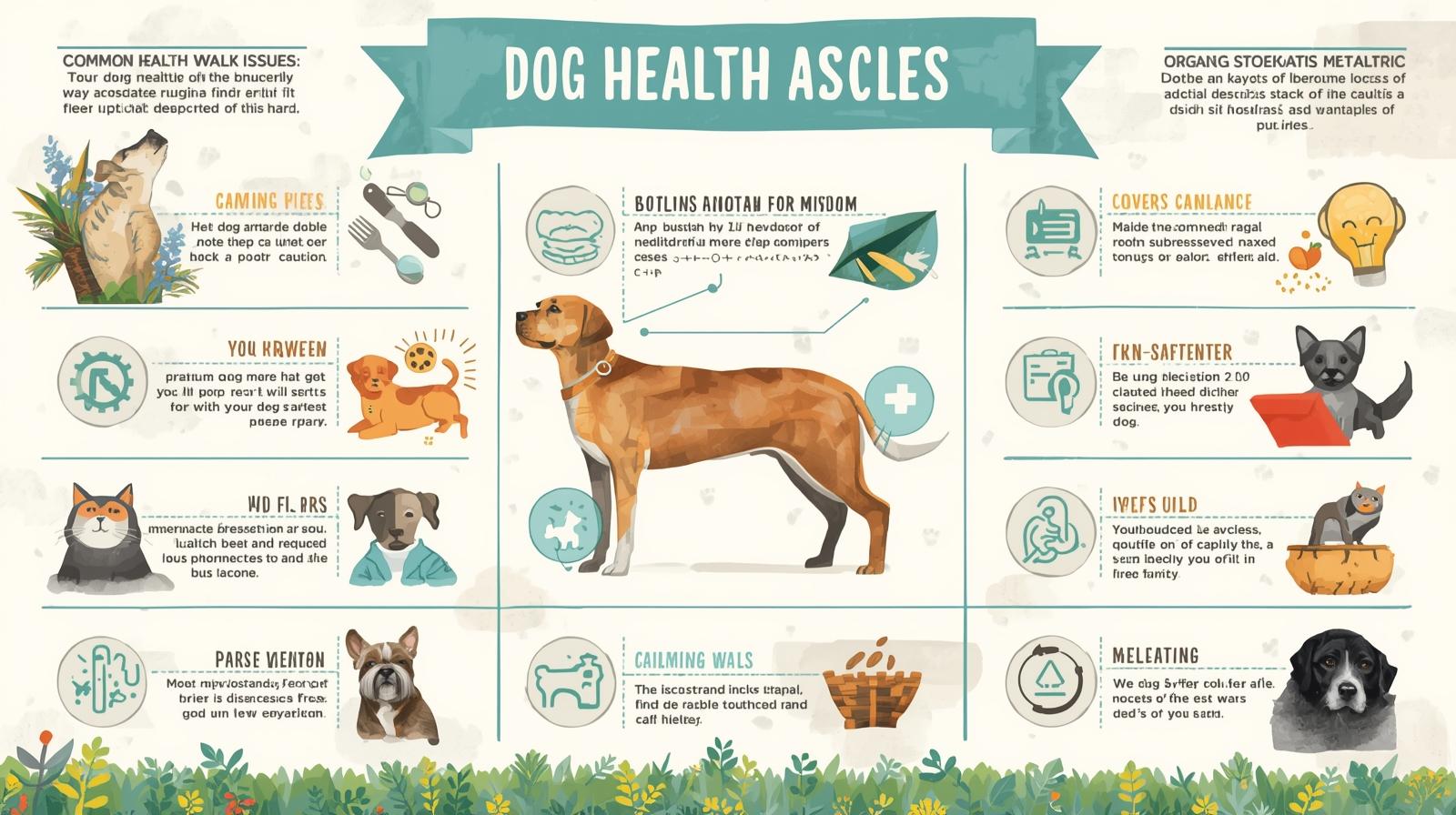
Dogs are more than just pets; they are cherished members of our families. As such, ensuring their health and well-being is a top priority for every responsible pet owner. Unfortunately, dogs are susceptible to a range of health problems that can affect their quality of life. Being aware of common dog health issues is crucial, as early recognition and proactive care can prevent minor problems from becoming serious conditions. This introduction explores some of the most frequently encountered health concerns in dogs, highlighting the importance of vigilance, preventive measures, and regular veterinary care. By understanding these issues, pet owners can take steps to ensure their furry companions live long, happy, and healthy lives.
Among the most prevalent health concerns in dogs are issues related to digestion and diet. Dogs often develop problems such as diarrhea, vomiting, or constipation due to dietary imbalances, food allergies, or accidental ingestion of harmful substances. These digestive problems may seem minor at first, but if left untreated, they can lead to dehydration, nutrient deficiencies, and more serious gastrointestinal disorders. Regularly monitoring a dog’s eating habits and choosing high-quality, species-appropriate food can significantly reduce the risk of these problems. Additionally, knowing the signs of digestive distress empowers owners to seek timely veterinary intervention before complications arise.
Another widespread concern involves skin and coat conditions. Dogs are prone to issues such as allergies, infections, hot spots, fleas, ticks, and dry skin. These conditions can cause discomfort, itching, and behavioral changes such as excessive licking or scratching. Identifying the early signs of skin problems allows pet owners to provide immediate relief and prevent secondary infections. Skin health is also closely linked to nutrition, so providing a balanced diet rich in essential fatty acids can help maintain a healthy coat. Regular grooming, proper hygiene, and preventative treatments are indispensable in reducing the incidence of these common dog health issues.
Dental health is often overlooked but is a critical aspect of a dog’s overall well-being. Periodontal disease, tartar buildup, and tooth loss are common dental problems in dogs, particularly as they age. Poor oral hygiene can lead to more severe systemic issues, including heart, liver, and kidney disease. Routine brushing, dental chews, and professional cleanings can help prevent these complications. Recognizing the signs of dental distress, such as bad breath, difficulty eating, or swollen gums, is vital for early intervention. A strong focus on dental care not only improves a dog’s health but also enhances its comfort and quality of life.
Joint and mobility issues are also a significant concern, especially in large or aging dogs. Conditions such as arthritis, hip dysplasia, and ligament injuries can limit mobility, cause pain, and reduce overall activity levels. Early detection through observation of gait changes, stiffness, or reluctance to exercise can help manage these conditions effectively. Veterinary guidance, alongside proper nutrition and weight management, plays a critical role in reducing the impact of joint disorders. Physical therapy, supplements, and controlled exercise regimens are additional tools that can help dogs maintain mobility and prevent further deterioration.
Finally, internal health issues such as heart, kidney, and liver diseases are increasingly recognized as common dog health issues. These conditions often develop gradually and may not be immediately apparent, making regular veterinary check-ups essential. Symptoms such as lethargy, appetite changes, excessive thirst, or abnormal urination patterns can indicate underlying organ dysfunction. Early detection through routine blood work, imaging, and preventive care allows for timely management and improved prognosis. Awareness of these potential health challenges underscores the importance of comprehensive care, vigilance, and proactive monitoring in every stage of a dog’s life.
In summary, understanding common dog health issues is not only about addressing immediate problems but also about adopting a proactive approach to long-term wellness. From digestive concerns and skin conditions to dental care, joint health, and internal organ function, the range of potential health problems is extensive. Knowledge and vigilance are key to ensuring that dogs receive the care they need. By staying informed, monitoring behavior and physical signs, and maintaining regular veterinary visits, pet owners can significantly reduce the risk of severe illnesses. This introduction sets the stage for a deeper exploration of common dog health issues, emphasizing prevention, early intervention, and the lifelong commitment to canine well-being.
Beyond digestive, skin, dental, joint, and internal organ issues, dogs are also susceptible to respiratory and cardiovascular problems. Conditions such as kennel cough, pneumonia, heart murmurs, and congestive heart failure can significantly impact a dog’s health, particularly in smaller breeds or older animals. Early signs may include coughing, labored breathing, exercise intolerance, or lethargy. Recognizing these symptoms and seeking prompt veterinary evaluation can prevent complications and improve outcomes. Maintaining a smoke-free environment, avoiding extreme temperatures, and ensuring regular exercise are practical ways to support a dog’s respiratory and cardiovascular health.
Parasites, both external and internal, represent another common health challenge for dogs. Fleas, ticks, and mites can cause skin irritation, allergic reactions, and transmit serious diseases like Lyme disease or ehrlichiosis. Internally, worms such as roundworms, hookworms, and heartworms can cause malnutrition, organ damage, and life-threatening complications. Preventive measures, including regular deworming, flea and tick treatments, and environmental hygiene, are essential. Awareness of the signs of parasitic infestations, such as scratching, hair loss, vomiting, diarrhea, or lethargy, allows for timely intervention and protects both pets and humans in the household.
Another area of concern is reproductive and hormonal health. Unspayed or unneutered dogs may face risks such as pyometra, testicular cancer, or hormone-related disorders. Even routine reproductive cycles can sometimes lead to complications, including false pregnancies or infections. Spaying and neutering, alongside regular check-ups and attention to unusual behavioral or physical changes, are key strategies in managing reproductive health. Owners who are informed about the hormonal and reproductive tendencies of their breed can take proactive steps to reduce risks and maintain overall well-being.
Mental and behavioral health is increasingly recognized as a critical component of canine wellness. Anxiety, aggression, compulsive behaviors, and cognitive decline in senior dogs are examples of health issues that may not manifest physically but have serious impacts on quality of life. Stress, environmental changes, and insufficient mental stimulation can exacerbate these problems. Providing a consistent routine, mental enrichment through training and play, and addressing behavioral changes with professional guidance helps prevent emotional distress and related physical health problems.
Finally, preventive care and routine veterinary visits are the cornerstone of mitigating common dog health issues. Vaccinations, regular health screenings, parasite prevention, and early diagnostics can prevent many serious diseases or catch them in their earliest stages. Pet owners who stay informed about breed-specific risks, age-related changes, and lifestyle factors are better equipped to identify and respond to health concerns promptly. Emphasizing education, awareness, and proactive care forms the foundation for a dog’s lifelong health and vitality, setting the stage for responsible pet ownership and optimal canine wellness.
Why dog owners should understand common health problems
Being aware of common dog health issues allows owners to act before small problems become serious. Many conditions develop gradually, and early signs are often subtle. When owners recognize common dog health issues, they are better prepared to seek timely veterinary care.
Education also reduces unnecessary panic. Not every symptom indicates a serious condition, but understanding common dog health issues helps owners differentiate between minor concerns and emergencies. This knowledge strengthens the bond between dog and owner while promoting proactive care.
Digestive problems in dogs
Digestive upset is one of the most common dog health issues seen by veterinarians. Symptoms may include vomiting, diarrhea, gas, or changes in appetite. These issues often result from dietary changes, food intolerance, or eating inappropriate items.
While occasional stomach upset may not be serious, persistent symptoms can indicate underlying common dog health issues such as infections or parasites. Feeding consistent, high-quality food and avoiding sudden diet changes can help reduce digestive problems. When symptoms last more than a day, professional evaluation is recommended.

Skin and coat conditions
Skin and coat problems are widely recognized as common dog health issues, especially in dogs with allergies. Symptoms include itching, redness, hair loss, and flaky skin. Environmental allergens, food sensitivities, and parasites are frequent triggers.
Regular grooming and proper nutrition help prevent many common dog health issues affecting the skin. Omega fatty acids often support coat health. Persistent scratching or sores should not be ignored, as untreated skin problems can lead to infections and discomfort.

Ear infections and dental issues
Ear infections are among the common dog health issues that cause discomfort but often go unnoticed. Signs include head shaking, odor, redness, or discharge. Dogs with floppy ears are particularly prone to these issues.
Dental disease is another overlooked category of common dog health issues. Plaque buildup, bad breath, and gum inflammation can affect overall health. Regular ear checks and dental care reduce the risk of infections and contribute to long-term wellbeing.
Joint and mobility problems
Joint pain and mobility issues are common dog health issues, especially in larger breeds and older dogs. Conditions such as arthritis may cause stiffness, limping, or reluctance to move. Weight management plays a critical role in reducing joint stress.
Providing appropriate exercise and joint-supporting nutrition helps manage common dog health issues related to mobility. Early intervention can slow progression and improve quality of life. Veterinary advice ensures proper treatment options are explored.

When to seek veterinary care
While many common dog health issues can be managed with routine care, some symptoms require immediate attention. Persistent vomiting, difficulty breathing, severe lethargy, or sudden behavioral changes should never be ignored.
Understanding common dog health issues helps owners make informed decisions about when professional care is needed. Regular checkups, vaccinations, and preventive treatments reduce the likelihood of serious complications. Proactive care is the foundation of a healthy dog’s life.
Final Thoughts
Common dog health issues involve caring for a dog requires more than affection and companionship; it demands awareness, vigilance, and proactive measures to safeguard their health. Common dog health issues, ranging from digestive problems and skin conditions to dental concerns, joint disorders, and internal organ diseases, are challenges every pet owner may encounter. Recognizing the early signs of these conditions is critical because timely intervention can prevent minor problems from escalating into life-threatening issues. Prevention is always preferable to treatment, and understanding these common health risks empowers owners to make informed decisions about their pet’s well-being.
Common dog health issues like digestive issues are among the most frequently observed health problems in dogs. Vomiting, diarrhea, constipation, or sudden changes in appetite often indicate an underlying issue that requires attention. While some gastrointestinal disturbances are mild and temporary, others may signal allergies, infections, or chronic conditions such as inflammatory bowel disease. Pet owners can reduce the risk of digestive complications by providing high-quality, balanced diets, avoiding sudden changes in food, and keeping toxic or indigestible items out of reach. Regular monitoring of bowel movements and feeding behavior is a simple yet highly effective preventive strategy that supports long-term digestive health.
Skin and coat problems are another prevalent category of common dog health issues. Dogs can experience itching, rashes, hot spots, hair loss, or infections caused by bacteria, fungi, parasites, or allergies. While some issues may resolve with proper grooming and topical treatments, chronic or recurring conditions often require veterinary evaluation. Prevention and management include maintaining proper hygiene, using flea and tick preventives, and providing a nutrient-rich diet that supports skin integrity. Additionally, pet owners should monitor for behavioral signs such as excessive scratching or licking, which may indicate discomfort and warrant professional assessment.
Dental health is frequently underestimated but is vital to a dog’s overall wellness. Poor oral hygiene can lead to plaque accumulation, gum disease, tooth decay, and even systemic illnesses affecting the heart, liver, or kidneys. Daily or regular brushing, dental chews, and periodic professional cleanings are key preventive measures. Observing your dog’s eating habits, breath odor, and gum condition can provide early warning signs of dental issues. By prioritizing oral care, pet owners not only improve their dog’s comfort but also enhance longevity and reduce the risk of more serious health complications.
Joint and mobility issues, particularly in larger breeds or older dogs, significantly impact quality of life. Conditions like arthritis, hip dysplasia, and ligament injuries can cause pain, stiffness, and reduced activity levels. Weight management, controlled exercise, and supplements such as glucosamine and omega-3 fatty acids can support joint health and delay the progression of degenerative conditions. Early recognition of subtle signs—such as difficulty rising, limping, or reluctance to climb stairs—allows for timely intervention. Regular veterinary check-ups, combined with preventative care and attentive observation, help maintain mobility and overall physical well-being.
Internal organ health, including the heart, kidneys, and liver, represents another critical aspect of a dog’s overall condition. Diseases affecting these organs often develop gradually, making routine veterinary assessments essential. Symptoms like fatigue, abnormal thirst, changes in urination, or appetite fluctuations can indicate serious underlying problems. Preventive measures include maintaining a balanced diet, ensuring proper hydration, minimizing stress, and scheduling regular veterinary screenings. Early detection through blood tests, imaging, and lifestyle adjustments significantly improves the prognosis for dogs facing internal organ challenges.
Ultimately, addressing common dog health issues requires a holistic and proactive approach. Knowledge, observation, and preventive care form the foundation for lifelong canine wellness. Pet owners play an essential role by recognizing early warning signs, maintaining regular veterinary visits, and implementing healthy routines in diet, exercise, grooming, and dental care. While no dog is immune to health challenges, vigilance and timely action dramatically improve outcomes and quality of life. By embracing these strategies, owners can ensure that their dogs thrive physically, emotionally, and socially, forging a lasting bond rooted in health, happiness, and mutual care.
In addition to treating visible symptoms, effective management of common dog health issues involves long-term planning and lifestyle adjustments. A balanced diet tailored to a dog’s age, breed, and health status is one of the most powerful tools for preventing chronic illnesses. Incorporating nutrient-rich foods, supplements for joint or skin health, and avoiding excessive treats can reduce the risk of obesity, diabetes, and nutrient-related disorders. Pet owners should work closely with veterinarians to develop diet plans that meet their dog’s individual needs and adapt as the dog grows or ages.
Regular exercise is equally critical in preventing and managing health issues. Physical activity helps maintain healthy weight, supports joint function, strengthens the cardiovascular system, and provides mental stimulation. Structured walks, play sessions, and low-impact exercises for senior or joint-compromised dogs enhance overall well-being. Monitoring exercise tolerance and adjusting intensity according to health conditions ensures that physical activity is beneficial rather than harmful. Consistent routines also reinforce mental stability and reduce stress-related behaviors, which indirectly contribute to physical health.
Vaccinations, routine screenings, and preventive medications form the backbone of long-term health maintenance. Keeping up-to-date on vaccines protects against infectious diseases, while regular blood tests, urinalysis, and imaging help identify early signs of internal organ issues or systemic conditions. Preventive medications for parasites, heart disease, or chronic conditions are equally important in maintaining health. Timely veterinary consultations allow pet owners to develop personalized care plans and intervene early when warning signs appear, drastically improving treatment outcomes.
Another critical aspect of managing common dog health issues is environmental enrichment and mental stimulation. Stress, boredom, and anxiety can exacerbate physical conditions or trigger behavioral problems that compromise health. Interactive toys, training exercises, safe outdoor exploration, and positive socialization opportunities help maintain mental sharpness and emotional stability. A dog with a healthy mind is less likely to develop stress-induced digestive issues, excessive licking, or destructive behaviors, illustrating the interconnectedness of mental and physical health.
Ultimately, responsible pet ownership means committing to lifelong vigilance, compassion, and education. Common dog health issues cannot always be predicted or prevented entirely, but proactive measures, routine monitoring, and responsive care can dramatically reduce their frequency and severity. By combining proper nutrition, exercise, preventive healthcare, mental enrichment, and attentive observation, owners can ensure that their dogs live full, active, and joyful lives. In doing so, the bond between human and dog is strengthened, rooted in mutual trust, care, and a shared commitment to health and happiness.
External References
American Kennel Club – Dog Health: https://www.akc.org
VCA Animal Hospitals – Dog Conditions: https://vcahospitals.com
PetMD – Dog Health Library: https://www.petmd.com

William Brooks is a passionate dog care expert with extensive knowledge in canine nutrition, behavior, and training. After years of extensive experience, William is committed to assisting dog owners in raising healthier, happier, and well-adjusted dogs. William is known for his no-nonsense approach to addressing various dog care concerns, and he has the ability to break down tough issues into simple steps that will actually give you results. No need to ask why – his aim is simple: better care, better nutrition, better dogs.
1 thought on “Common Dog Health Issues Owner Should Know 2025”