
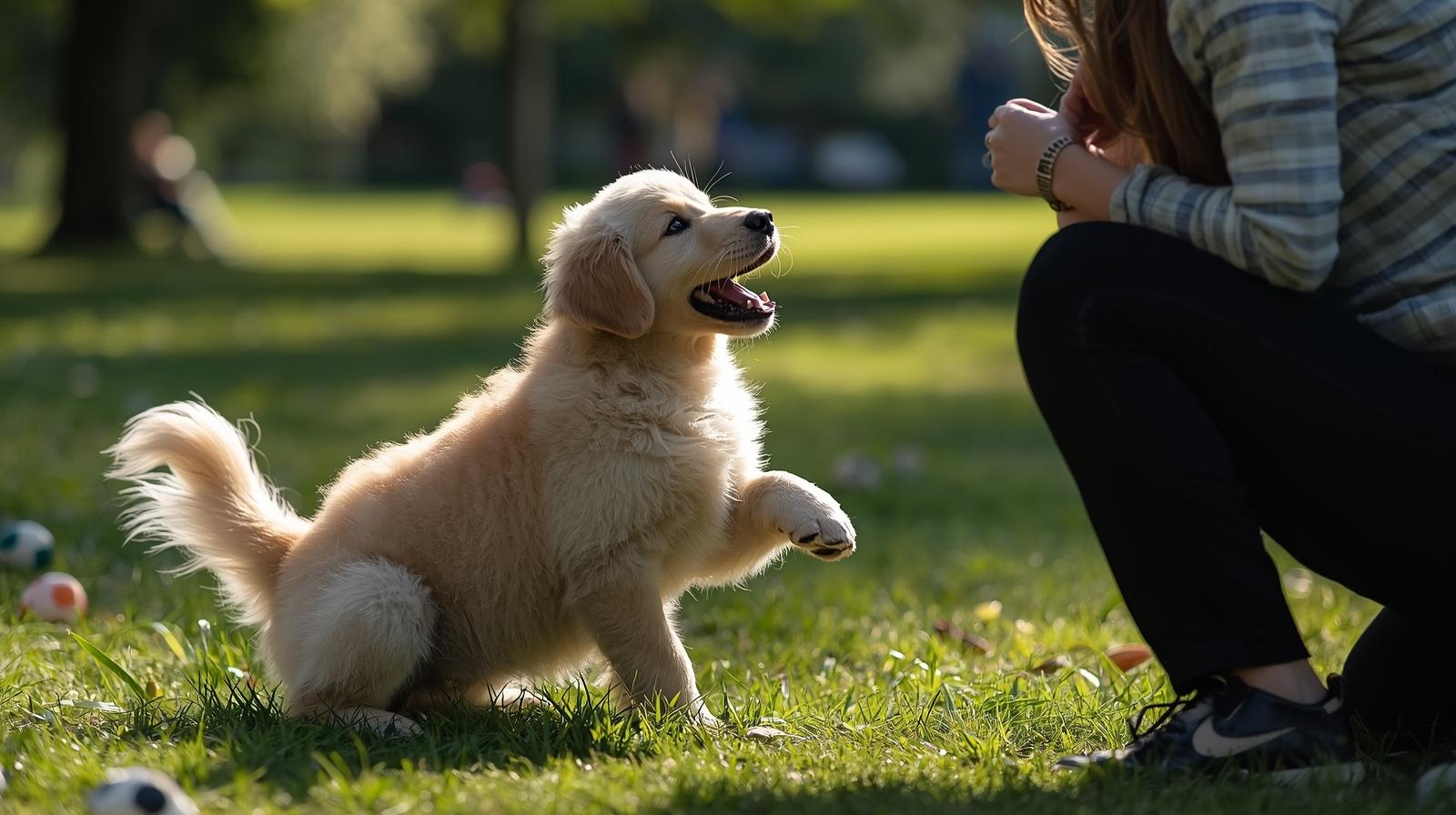
Following a structured Basic Puppy Training Schedule during the first month helps build good behavior, trust, and discipline. A clear Basic Puppy Training Schedule allows puppies to adapt faster while helping owners stay consistent. This Basic Puppy Training Schedule focuses on daily routines, simple commands, and habit-building to create a strong foundation for lifelong training.
Why the first 30 days matter in puppy training?
The Basic Puppy Training Schedule during the first month shapes a puppy’s behavior for life. A proper Basic Puppy Training Schedule helps puppies understand boundaries, routines, and expectations. Without a Basic Puppy Training Schedule, puppies often develop bad habits that become harder to fix later. Consistency is the backbone of any Basic Puppy Training Schedule, especially during early development.
A structured Basic Puppy Training Schedule builds confidence and reduces anxiety. Puppies thrive when a Basic Puppy Training Schedule gives them predictability. Trainers agree that a strong Basic Puppy Training Schedule prevents behavioral problems. Following a daily Basic Puppy Training Schedule improves learning speed. Every successful trainer emphasizes the importance of a reliable Basic Puppy Training Schedule from day one.
Week 1 Daily routine setup for successful training
A daily routine is essential in a Basic Puppy Training Schedule. Feeding, playtime, naps, and potty breaks should follow a consistent Basic Puppy Training Schedule. Puppies learn faster when their Basic Puppy Training Schedule stays predictable. Each activity should reinforce the Basic Puppy Training Schedule.
Morning routines are critical in a Basic Puppy Training Schedule. Potty breaks, short walks, and meals should follow the same Basic Puppy Training Schedule daily. Evening routines matter just as much in a Basic Puppy Training Schedule. Repeating the Basic Puppy Training Schedule helps puppies feel secure. A stable Basic Puppy Training Schedule reduces stress and confusion.
Week 2 Teaching basic commands during the first month
Teaching commands is a core part of the Basic Puppy Training Schedule. Simple commands like sit, stay, and come fit naturally into a Basic Puppy Training Schedule. Training sessions should be short but frequent within the Basic Puppy Training Schedule. Repetition strengthens the Basic Puppy Training Schedule.
Positive reinforcement is key in any Basic Puppy Training Schedule. Treats and praise encourage faster learning in a Basic Puppy Training Schedule. Avoid punishment—it disrupts the Basic Puppy Training Schedule. Commands should be practiced daily using the Basic Puppy Training Schedule. Over time, the Basic Puppy Training Schedule creates reliable obedience.
Week 3 Potty training and habit building
Potty training is one of the biggest goals of a Basic Puppy Training Schedule. Regular potty breaks must be included in the Basic Puppy Training Schedule. Puppies need frequent reminders through the Basic Puppy Training Schedule. Accidents decrease when the Basic Puppy Training Schedule is followed strictly.
Crate training supports the Basic Puppy Training Schedule by encouraging bladder control. A consistent Basic Puppy Training Schedule teaches puppies when and where to relieve themselves. Praise reinforces success within the Basic Puppy Training Schedule. Most trainers agree that potty success depends on sticking to the Basic Puppy Training Schedule without shortcuts.
Week 4 confidence and control
Socialization is a vital element of the Basic Puppy Training Schedule. Puppies exposed to people and environments through a Basic Puppy Training Schedule grow into confident dogs. Controlled interactions should be part of the Basic Puppy Training Schedule. Gradual exposure prevents fear issues later.
Positive experiences strengthen the Basic Puppy Training Schedule. Meeting new people, hearing sounds, and seeing environments should align with the Basic Puppy Training Schedule. Social learning enhances the effectiveness of the Basic Puppy Training Schedule. Proper socialization within the Basic Puppy Training Schedule reduces aggression and anxiety.
Common mistakes to avoid in puppy training
Inconsistency weakens the Basic Puppy Training Schedule. Skipping routines disrupts the Basic Puppy Training Schedule. Overtraining is another mistake in the Basic Puppy Training Schedule. Puppies need rest alongside the Basic Puppy Training Schedule.
Using punishment damages trust in the Basic Puppy Training Schedule. Unrealistic expectations can harm progress in the Basic Puppy Training Schedule. Every puppy learns at a different pace, even with the same Basic Puppy Training Schedule. Patience ensures the Basic Puppy Training Schedule delivers long-term success.
External Sources:
- https://www.akc.org
- American Kennel Club – Puppy Training Guide: https://www.akc.org
- ASPCA Puppy Care Basics: https://www.aspca.org
- Humane Society Puppy Training Tips: https://www.humanesociety.org
- https://www.humanesociety.org

William Brooks is a passionate dog care expert with extensive knowledge in canine nutrition, behavior, and training. After years of extensive experience, William is committed to assisting dog owners in raising healthier, happier, and well-adjusted dogs. William is known for his no-nonsense approach to addressing various dog care concerns, and he has the ability to break down tough issues into simple steps that will actually give you results. No need to ask why – his aim is simple: better care, better nutrition, better dogs.
1 thought on “Basic Puppy Training Schedule (First 30 Days)”