

Dog Nutrition Chart reveals 7 powerful, science-backed secrets that transform dog care, nutrition, and training outcomes by helping owners understand feeding portions, life-stage needs, and balanced diets that support healthier behavior, stronger immunity, and happier, better-trained dogs at every age and breed. Dog Nutrition Chart guidance is one of the most overlooked yet powerful tools in dog care. Within the first steps of responsible ownership, nutrition directly affects growth, behavior, immunity, and training responsiveness.
Building on this foundation, a well-structured feeding approach helps dog owners move from guesswork to confidence in daily care. When nutrition is aligned with a dog’s age, size, and activity level, it supports steady energy throughout the day, reduces digestive upsets, and minimizes unwanted behaviors linked to hunger or poor diet choices. Consistent, balanced meals also make training sessions more effective, as dogs are more focused, motivated, and responsive when their nutritional needs are met. By viewing feeding as an integral part of overall dog care rather than a separate task, owners can create routines that promote physical wellness, mental clarity, and a stronger bond with their dogs over the long term.
A Dog Nutrition Chart also serves as a practical reference for making timely adjustments as a dog’s needs evolve. Changes such as growth spurts, increased training intensity, seasonal activity shifts, or aging all require thoughtful updates to feeding portions and nutrient balance. By regularly consulting a structured chart, dog owners can avoid overfeeding or underfeeding and spot early signs of nutritional imbalance, such as weight fluctuation or reduced stamina. This proactive approach not only supports long-term health but also reinforces consistency in dog care routines, ensuring that nutrition continues to complement training goals and overall well-being rather than becoming a reactive or overlooked aspect of daily life.
Foundations of Dog Care Through Nutrition

Why Balanced Feeding Matters
Balanced feeding is the cornerstone of responsible dog care. Dogs require a precise mix of proteins, fats, carbohydrates, vitamins, and minerals to function optimally. A structured feeding approach prevents obesity, nutrient deficiencies, and digestive problems. When nutrition is balanced, dogs maintain steady energy levels, which directly improves mood and reduces behavioral issues. Poor feeding habits often lead to hyperactivity or lethargy, both of which interfere with training consistency. By following a structured feeding system, owners can simplify decision-making and create predictable routines.
In addition, balanced feeding supports cognitive health and emotional stability, which are essential for effective learning and long-term behavior management. Dogs that receive the right nutrients at the right time are better able to focus, process commands, and respond positively during training sessions. Consistent nutrition also helps regulate digestion and hormone levels, reducing stress-related behaviors such as excessive barking or food guarding. Over time, a well-planned feeding routine builds trust between the dog and owner, reinforcing positive habits and making daily dog care more efficient, enjoyable, and sustainable for both.
Nutrition’s Role in Long-Term Health
Long-term wellness begins with smart nutrition choices. Dogs fed appropriately for their size and life stage show improved joint health, better coat condition, and stronger immune systems. Quality nutrition reduces vet visits and supports graceful aging. Senior dogs, in particular, benefit from controlled calorie intake and joint-supporting nutrients. A well-designed feeding plan ensures that dogs thrive physically while remaining mentally sharp. Nutrition is not just about survival—it is about quality of life.
Over time, consistent nutrition also supports emotional balance and cognitive health, which are often overlooked aspects of canine wellness. Dogs receiving the right balance of nutrients tend to display calmer behavior, better sleep patterns, and improved adaptability to change. Antioxidants, omega fatty acids, and essential vitamins help protect brain function and reduce inflammation, especially in aging dogs. When nutrition is aligned with lifestyle and health needs, dogs are better equipped to handle stress, recover from illness, and maintain enthusiasm for daily activities. This proactive approach allows owners to focus less on managing health problems and more on enjoying an active, fulfilling life with their companions.
Understanding the Dog Nutrition Chart by Life Stage
Puppies, Adults, and Seniors
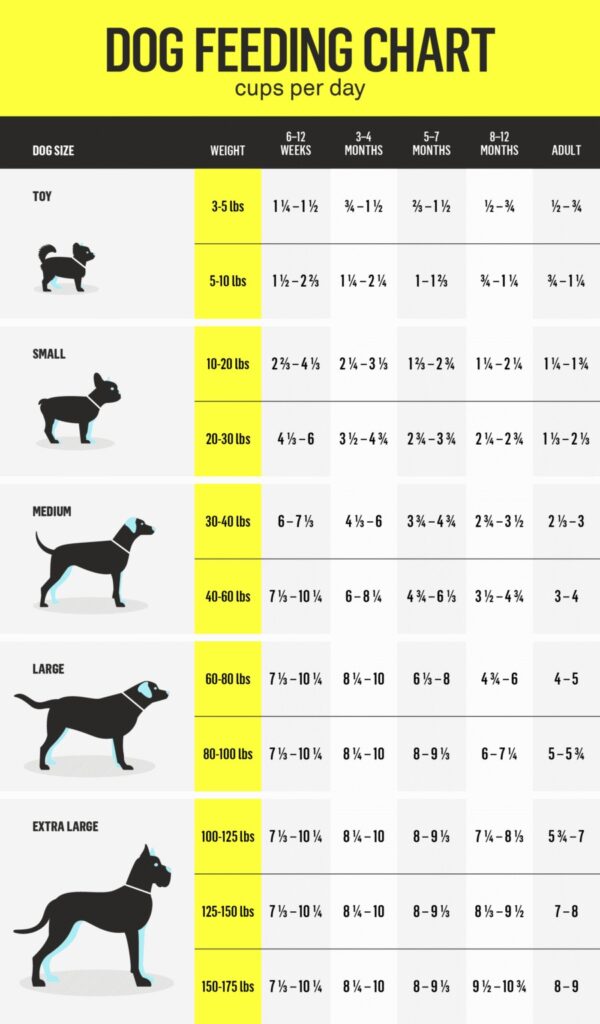
A Dog Nutrition Chart helps owners adjust feeding as dogs grow. Puppies need calorie-dense meals for development, while adults require maintenance diets to sustain energy. Seniors benefit from lower calories and higher fiber. Feeding without life-stage consideration leads to weight gain or malnutrition. Structured charts make transitions smoother and reduce digestive stress. Proper nutrition during growth stages also supports skeletal development and prevents future mobility issues.
As dogs move through each life stage, their nutritional requirements shift not only in quantity but also in nutrient composition. Monitoring body condition, coat quality, and activity levels helps owners fine-tune feeding amounts over time. Gradual transitions between formulas are especially important to avoid stomach upsets and food refusal. Consulting veterinary guidance when adjusting diets ensures that changing needs are met without excesses or deficiencies. When feeding choices align with growth patterns and aging processes, dogs maintain healthy weight, strong muscles, and better joint function, allowing them to stay active, comfortable, and engaged throughout their lives.
Breed Size and Activity Levels
Small, medium, and large breeds metabolize food differently. Active dogs need more calories, while less active dogs require portion control. Feeding by observation alone often leads to overfeeding. A structured feeding reference helps owners match food intake with energy output. This balance supports endurance, prevents fatigue, and maintains ideal body condition.
In continuation, using a measured feeding approach also makes it easier to spot changes in a dog’s health before they become serious problems. When portions and calorie intake are consistent, sudden weight gain, loss of appetite, or drops in energy are more noticeable and can be addressed early. This structured method allows owners to adjust meals during seasonal changes, recovery from illness, or shifts in activity levels, such as increased exercise or aging. By aligning food intake with real energy demands, dogs remain agile, resilient, and better equipped to handle daily physical and mental challenges without unnecessary strain on their joints or metabolism.
Nutrition and Training Performance

Food as Training Fuel
Nutrition directly impacts training success. Dogs fed balanced meals, as per the Dog Nutrition Chart, show improved concentration and motivation. Stable blood sugar levels reduce distractions and anxiety during sessions. Using meals strategically around training times enhances learning retention. Proper nutrition also supports muscle recovery after physical activity, making dogs more willing participants in obedience or agility training.
In addition, consistent nutrition helps regulate hormones that influence mood and stress responses, which are critical during training. When dogs receive the right balance of protein, healthy fats, and complex carbohydrates, they experience fewer energy crashes and remain emotionally stable for longer periods. This stability allows trainers and owners to introduce new commands with greater success, as the dog is physically comfortable and mentally engaged. Over time, proper feeding routines build endurance, confidence, and resilience, enabling dogs to handle longer training sessions and gradually increasing challenges without frustration or burnout.
Beyond immediate training outcomes, a Dog Nutrition Chart plays a vital role in long-term learning and behavioral development. Dogs rely on consistent, balanced nutrition to maintain both physical stamina and mental clarity, and irregular feeding or poor-quality diets can undermine months of training progress. For example, dogs that experience frequent energy spikes followed by crashes often display restlessness, reduced focus, or even aggression, which interrupts the learning process and can create frustration for owners. By following a Dog Nutrition Chart, owners can establish structured meal plans that ensure sustained energy throughout the day, allowing dogs to approach training with steady attention and enthusiasm.
Treats, Rewards, and Portion Control
Treats should complement, not replace, balanced meals. Overusing treats leads to excess calories and poor dietary balance. Training rewards should be small, nutrient-dense, and accounted for in daily intake. Smart portion management ensures that dogs stay healthy while remaining motivated learners.
In addition, choosing the right type of treats plays a crucial role in supporting overall dog care and training success. Opt for natural, low-calorie options made with high-quality ingredients, and avoid treats with excessive fillers, artificial colors, or added sugars as per the Dog Nutrition Chart. Soft, easily digestible treats are ideal during training sessions because they can be consumed quickly without interrupting focus. Rotating rewards and occasionally using a portion of the dog’s regular meal as treats can further control calorie intake. This thoughtful approach reinforces positive behavior while maintaining nutritional balance, helping dogs stay fit, attentive, and eager to learn without compromising their long-term health.
Beyond selecting the right treats, understanding how they fit into a dog’s overall diet is critical for maintaining optimal health and performance. The Dog Nutrition Chart serves as an essential tool in this regard, helping owners calculate daily caloric intake and nutrient distribution so that treats do not unintentionally disrupt the balance of protein, fat, carbohydrates, vitamins, and minerals. For example, even nutrient-dense training rewards contribute additional calories, and if not accounted for, can lead to gradual weight gain, digestive upset, or nutrient imbalance.
Using the chart, owners can adjust meal portions, timing, and nutrient composition to accommodate treats, ensuring that dogs receive sufficient energy for training and daily activities without exceeding healthy limits. This strategic approach transforms treats from being mere incentives into purposeful components of a structured feeding plan. Another key consideration is frequency and timing: treats should be administered in small, controlled amounts during training sessions or as reinforcement for specific behaviors, rather than as spontaneous snacks between meals.
Reading and Applying a Dog Nutrition Chart Correctly
Portion Sizes and Feeding Frequency
A Dog Nutrition Chart simplifies portion decisions. Feeding frequency depends on age, metabolism, and health. Puppies need frequent meals, while adults thrive on two meals daily. Portion control prevents obesity, one of the most common canine health issues. Accurate measurement ensures consistency and predictable digestion patterns.
As dogs age or experience lifestyle changes, the Dog Nutrition Chart should be reviewed regularly to avoid underfeeding or excess weight gain. Monitoring body condition, energy levels, and stool quality helps owners fine-tune daily intake with confidence. Adjustments may be needed during growth spurts, seasonal activity changes, pregnancy, or recovery from illness. Using a consistent measuring cup or digital scale removes guesswork and promotes long-term digestive stability. When feeding amounts are aligned with a dog’s real needs, meals support sustained energy, healthier metabolism, and overall well-being without unnecessary strain on the digestive system.
In addition to guiding portion sizes and feeding frequency, a Dog Nutrition Chart also helps owners make informed choices about meal composition and nutrient balance, which are just as critical as how much a dog eats. While measuring calories and portions is essential to prevent obesity, the quality of those calories determines how effectively a dog’s body uses them for energy, growth, and maintenance. For example, diets rich in high-quality proteins provide amino acids necessary for muscle development and tissue repair, while healthy fats supply long-lasting energy and support brain function.
Carbohydrates, when included in appropriate forms and amounts, offer readily available energy and promote gastrointestinal health by providing fiber. By referencing a Dog Nutrition Chart, owners can ensure that each meal meets the dog’s macronutrient requirements, preventing nutrient deficiencies that could lead to lethargy, weakened immunity, or poor coat condition. This level of precision allows feeding to move beyond a simple routine into a strategic component of overall dog care, where every meal actively contributes to the animal’s physical and mental well-being
Ingredient Quality Awareness
Understanding ingredient quality is one of the most critical aspects of responsible dog care, and a Dog Nutrition Chart can serve as a practical guide in evaluating and selecting the right foods. Not all commercial or homemade dog diets provide the nutrients required for optimal health, and poor-quality ingredients can lead to long-term health problems, including obesity, digestive issues, allergies, and even behavioral challenges. High-quality ingredients, on the other hand, offer essential proteins for muscle development, healthy fats for energy and cognitive function, carbohydrates for sustained energy, and vitamins and minerals for immunity and overall wellness.
Using a Dog Nutrition Chart as a reference allows dog owners to determine the proper balance of these nutrients based on their dog’s age, breed, activity level, and health status. For instance, a puppy requires protein-rich diets to support rapid growth and skeletal development, whereas adult dogs benefit from well-balanced meals with moderate protein and fat content to maintain ideal weight.
Seniors often require joint-supporting nutrients, such as glucosamine and omega-3 fatty acids, along with reduced calories to prevent weight gain and maintain mobility. By consulting a Dog Nutrition Chart, owners can match ingredients to their dog’s specific physiological needs, ensuring each meal contributes to long-term wellness rather than simply satisfying short-term hunger. Furthermore, high-quality ingredients are often more digestible, which means dogs can extract nutrients more efficiently, resulting in healthier skin, shinier coats, and more regular bowel movements.
Conversely, low-quality foods with fillers, artificial colors, or by-products may satisfy appetite but fail to provide meaningful nutrition, which can compromise immunity and lead to chronic health issues over time. A Dog Nutrition Chart not only highlights these distinctions but also provides practical guidance on portion sizes and nutrient ratios, helping owners make informed decisions when comparing brands, types of protein sources, or the inclusion of fruits, vegetables, and grains. It becomes an indispensable tool for anyone looking to maximize the health benefits of each meal while avoiding the pitfalls of substandard nutrition
Not all dog foods are equal. High-quality proteins, healthy fats, and minimal fillers support optimal health. Owners should learn to read ingredient labels critically. According to the Association of American Feed Control Officials
Final Thought
Ultimately, a Dog Nutrition Chart is far more than a simple feeding guide—it is an essential tool that empowers dog owners to make informed, confident decisions that enhance every aspect of dog care. By understanding the relationship between diet, activity level, and life stage, owners can provide meals that promote healthy growth, maintain ideal weight, and support cognitive and behavioral development. Following a structured chart prevents common nutritional mistakes, ensures steady energy levels, and allows dogs to remain focused, motivated, and responsive during training.
Beyond physical health, consistent use of a Dog Nutrition Chart strengthens the bond between dog and owner, creating predictable routines that foster trust, stability, and emotional well-being. Feeding becomes an integral component of holistic care, evolving with the dog’s needs and reinforcing long-term wellness, happiness, and performance, while supporting every step of training and daily care.
Building on this foundation, a Dog Nutrition Chart also serves as a dynamic reference that adapts to a dog’s changing needs over time. Puppies, adults, and senior dogs all have distinct nutritional requirements, and a one-size-fits-all approach can lead to imbalances or health issues. By consulting the chart regularly, owners can adjust portion sizes, meal frequency, and nutrient composition to match growth spurts, increased activity levels, or age-related metabolic changes. This proactive approach ensures that dogs maintain optimal body condition, enhanced immunity, and consistent energy throughout the day.
Moreover, integrating a Dog Nutrition Chart into daily routines simplifies meal planning, reduces guesswork, and provides a clear framework for monitoring progress, making it easier to identify early signs of nutritional deficiencies or excesses before they impact health or behavior. Ultimately, this tool not only supports physical well-being but also reinforces the effectiveness of training and strengthens the overall dog-owner relationship.

William Brooks is a passionate dog care expert with extensive knowledge in canine nutrition, behavior, and training. After years of extensive experience, William is committed to assisting dog owners in raising healthier, happier, and well-adjusted dogs. William is known for his no-nonsense approach to addressing various dog care concerns, and he has the ability to break down tough issues into simple steps that will actually give you results. No need to ask why – his aim is simple: better care, better nutrition, better dogs.