
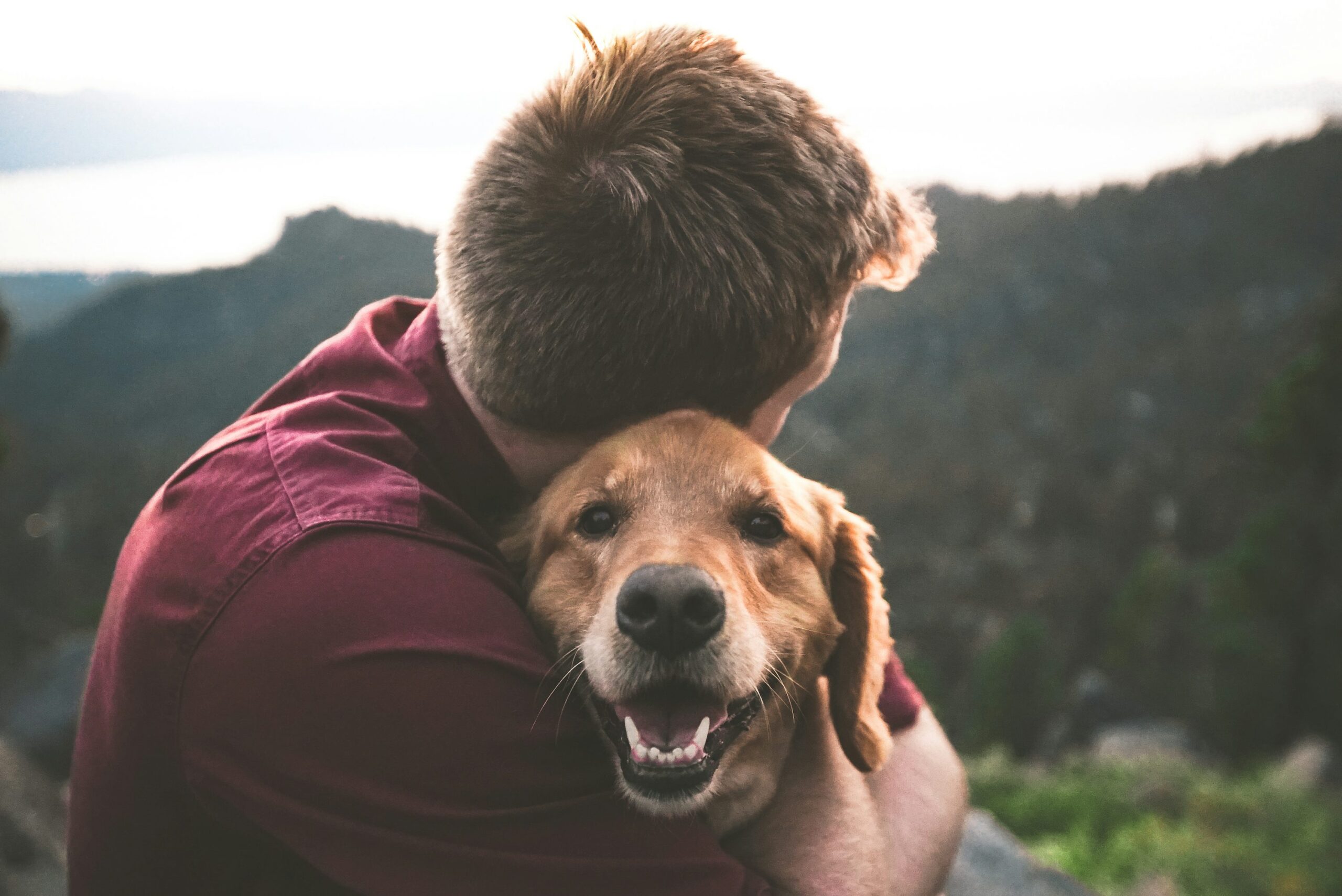
Dog Care is the foundation of a healthy and happy life for your pet. Many first-time owners believe feeding and walking are enough, but proper dog ownership requires much more. From nutrition to mental health, every small habit plays a role in your dog’s well‑being.
This guide breaks down dog ownership into 7 simple yet powerful steps that every owner must follow to avoid common mistakes and expensive vet visits.
1. Start With Proper Nutrition
Good health begins with the right food. A balanced diet supports immunity, digestion, and energy levels.
Choose food that is:
- AAFCO approved
- Age and breed appropriate
- Free from artificial fillers
Avoid feeding table scraps, chocolate, grapes, or xylitol-based foods.
Dog Care always starts in the food bowl.
2. Fresh Water Is Non‑Negotiable
Hydration is often overlooked by owners. Dogs must have access to clean water at all times.
Dehydration can lead to:
- Kidney problems
- Lethargy
- Poor digestion
Make it a habit to change water twice daily as part of your daily routine.
3. Daily Exercise Prevents Behavior Problems
Physical activity is essential for both physical and mental health.
Recommended daily activity:
- Small dogs: 30–45 minutes
- Medium dogs: 45–60 minutes
- Large dogs: 60–90 minutes
Lack of exercise often results in chewing, barking, and anxiety. Proper Dog Care includes movement.
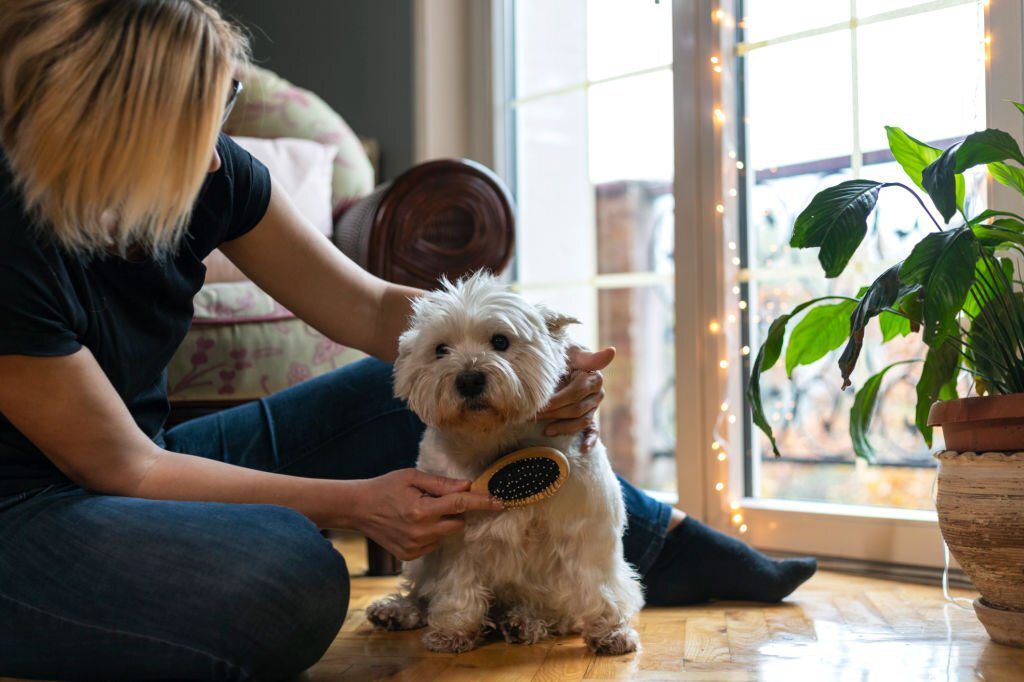
4. Grooming Is More Than Looks
Grooming keeps your dog comfortable and helps detect health issues early.
Home Grooming Essentials
- Deshedding brush
- Nail clippers
- Dog-safe shampoo
Regular grooming reduces shedding, skin infections, and parasites.
5. Training Builds Confidence and Safety
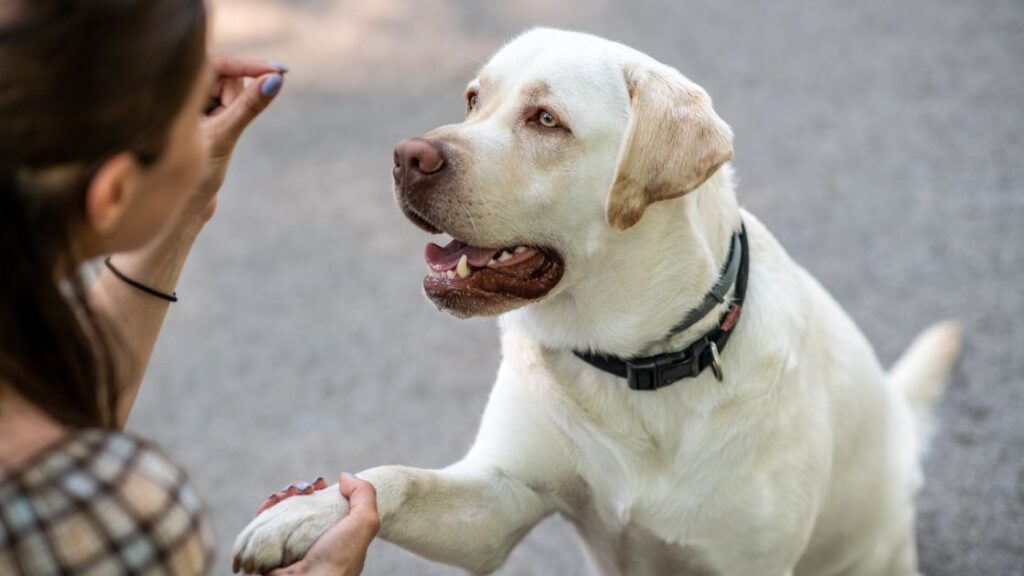
Training is not optional—it is responsible ownership.
Start with basic commands:
- Sit
- Stay
- Come
- Leave it
Positive reinforcement builds trust and reduces fear-based behavior. Consistent Dog Care includes mental training.
6. Preventive Health Care Saves Money
Preventive care costs far less than treatment.
Essential steps include:
- Annual vet checkups
- Vaccinations
- Flea, tick, and heartworm prevention
According to the American Kennel Club, preventive care significantly increases a dog’s lifespan.
🔗 https://www.akc.org (DoFollow)
This aspect of Dog Care is critical for US pet owners.
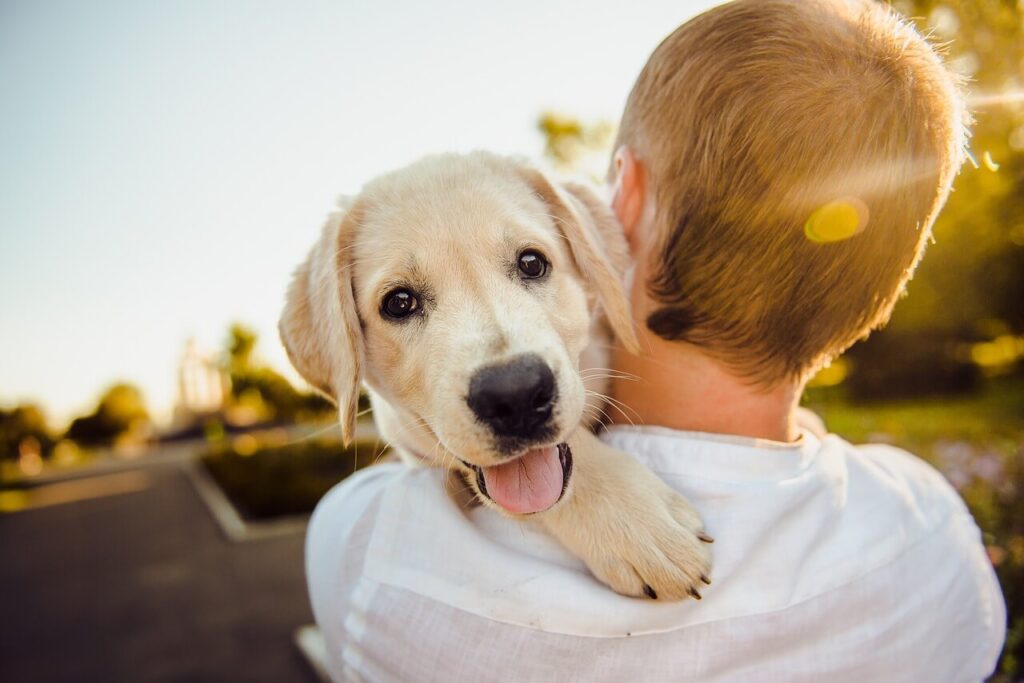
7. Emotional Bonding Matters
Dogs are emotional animals. Neglecting emotional needs leads to stress and disobedience.
Ways to build a strong bond:
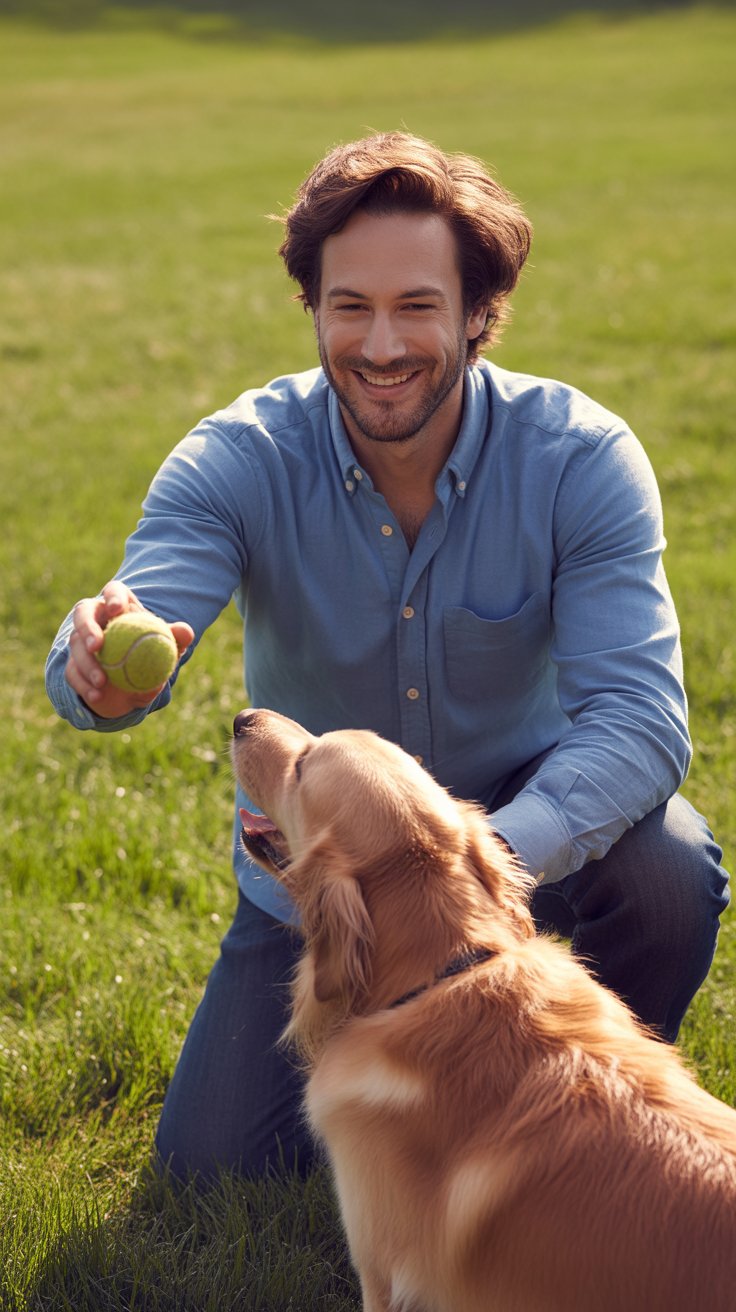
- Daily playtime
- Calm communication
- Consistent routine
Strong bonding improves obedience and trust. This is the most ignored part of Dog Care.
Common Dog Care Mistakes to Avoid
- Overfeeding
- Skipping exercise
- Ignoring dental care
- Delaying vet visits
Avoiding these mistakes improves your dog’s quality of life instantly.
Recommended Resources for Dog Owners
- Complete puppy guides on our website
- Home training programs for beginners
- Vet-approved nutrition plans
Final Thoughts
Dog care is not a one-day task or a temporary responsibility—it is a long-term commitment that directly shapes your dog’s health, behavior, and emotional well-being. When done correctly, dog care creates a balanced life for your pet and a stress-free experience for you as an owner. When done poorly, even unintentionally, it can lead to preventable health issues, behavioral problems, and unnecessary expenses.
One of the biggest mistakes new owners make is assuming that dog care is complicated or expensive. In reality, consistency matters more than complexity. Simple daily habits—feeding the right food, ensuring clean water, providing exercise, and spending quality time—have a powerful cumulative effect. These small actions, when repeated every day, form the backbone of responsible dog ownership.
Another important lesson is that dog care is not limited to physical needs alone. Dogs are intelligent, emotional animals that thrive on structure, routine, and attention. Training, bonding, and mental stimulation are just as important as nutrition and grooming. A dog that feels secure and understood is far less likely to develop anxiety, aggression, or destructive behavior.
Preventive health care deserves special emphasis. Many serious dog health problems begin silently and worsen over time when ignored. Regular vet checkups, parasite prevention, and early intervention cost far less than emergency treatments later. Smart dog care always focuses on prevention rather than cure—this approach protects both your dog’s life and your finances.
It is also important to remember that dog care evolves as your dog ages. Puppies need training and socialization, adult dogs need balance and routine, and senior dogs need comfort and closer health monitoring. Adjusting your care approach at each stage ensures that your dog enjoys a high quality of life from puppyhood to old age.
Perhaps the most rewarding part of dog care is the bond it creates. Dogs respond deeply to love, patience, and consistency. When you invest time and effort into caring for your dog properly, the return is immense—loyalty, companionship, emotional support, and unconditional love. Few relationships are as pure and fulfilling as the one between a dog and a responsible owner.
In the end, good dog care is about intention. It is about making informed choices, building healthy routines, and treating your dog as a valued family member rather than just a pet. By following the principles outlined in this guide, you are not only improving your dog’s life—you are becoming the kind of owner every dog deserves.
Caring for a dog is one of those responsibilities that looks simple from the outside but reveals its depth only when you live it day after day. Anyone can buy dog food, clip a leash, or schedule a vet visit. What truly defines good dog care is not a checklist, but a mindset—one rooted in patience, consistency, and a willingness to learn. The seven tips discussed in this guide are not rules meant to overwhelm you; they are principles meant to ground you. When followed with intention, they shape not only a healthier dog, but a more confident and capable owner.
What many new dog owners don’t realize at first is that dogs are remarkably adaptive creatures. They don’t need luxury products or perfect routines to thrive. What they need is clarity. Clear expectations. Clear boundaries. Clear affection. Dogs feel safest when their world makes sense, and it is the owner’s role to create that sense of order. When care is inconsistent or reactive, dogs become anxious or confused. When care is steady and thoughtful, dogs relax into their role as companions.
One of the most powerful shifts an owner can make is moving from reaction to prevention. It’s easy to respond when something goes wrong—when a dog gains weight, develops bad habits, or falls ill. It’s harder, but far more effective, to build habits that prevent those issues in the first place. Balanced nutrition, regular exercise, routine grooming, and mental stimulation are not dramatic actions, but their long-term impact is profound. Over time, these small daily choices compound into better health, better behavior, and fewer crises.
Dog care is also deeply personal. No two dogs are exactly alike, even within the same breed. Temperament, energy level, sensitivity, and learning speed vary widely. The best owners are not those who rigidly follow advice, but those who observe their dog closely and adjust accordingly. A tip that works beautifully for one dog may need modification for another. True care comes from paying attention—not just to what experts say, but to how your own dog responds.
Another reality worth acknowledging is that dog care evolves over time. What works during puppyhood may not be suitable in adulthood. What feels manageable with a young, energetic dog may need adjustment as that dog ages. Responsible ownership means being willing to adapt. It means recognizing when a dog needs joint support, dietary changes, shorter walks, or more rest. Aging is not a failure of care; it is a natural phase of life that deserves just as much attention and compassion as the early years.
Emotionally, dogs offer something rare in modern life: uncomplicated presence. They don’t judge your productivity, your income, or your past mistakes. They respond to consistency, tone, and intention. This is why emotional care is not a luxury—it is foundational. Dogs that feel secure and connected are easier to train, calmer in stressful situations, and more resilient overall. Simple acts—speaking gently, maintaining routines, spending focused time together—build a bond that no product can replace.
It’s also important to let go of the idea of perfection. Even the most experienced dog owners make mistakes. There will be days when routines slip, patience runs thin, or progress feels slow. What matters is not flawless execution, but course correction. Dogs are forgiving animals. They don’t keep score. What they respond to is the overall pattern of care, not isolated missteps. Owners who remain calm and committed, even when things don’t go perfectly, build trust that lasts.
Financially, good dog care is often misunderstood. Many people assume that responsible ownership is expensive. In truth, neglect is what costs the most. Emergency vet visits, behavioral rehabilitation, and chronic health conditions often stem from avoidable oversights. Investing early in quality food, preventive care, and basic training almost always saves money in the long run. More importantly, it spares the dog unnecessary discomfort and stress.
Dog care also shapes household dynamics. A well-cared-for dog enhances daily life rather than complicating it. Walks become moments of calm rather than obligations. Training becomes communication rather than conflict. Over time, routines settle into a rhythm that benefits everyone in the home. Dogs thrive in environments where expectations are clear and leadership is calm, not forceful.
There is also a quiet humility that comes with caring for an animal who depends entirely on you. Dogs cannot choose their circumstances. They rely on humans for food, safety, and guidance. That reliance carries ethical weight. Responsible dog care is, at its core, a form of stewardship. It asks owners to think beyond convenience and act in the dog’s best interest, even when it requires effort or sacrifice.
As years pass, the relationship between a dog and a committed owner deepens in ways that are difficult to articulate. Shared routines become rituals. Familiar behaviors become comforting constants. The dog learns your moods, your habits, your pace of life. In return, you learn to read subtle cues—how your dog moves when tired, how they ask for reassurance, how they express contentment. This mutual understanding is one of the greatest rewards of thoughtful care.
Ultimately, the seven tips outlined in this guide are not meant to restrict you. They are meant to support you. They provide a framework within which care becomes intuitive rather than stressful. When dog care is grounded in consistency, observation, and empathy, it stops feeling like work and starts feeling like partnership.
In the end, good dog care is not about doing everything. It’s about doing the right things, consistently, with care. Dogs don’t need perfection. They need presence. They need structure without rigidity, affection without chaos, and guidance without fear. When those elements come together, dogs flourish—and so do the people who care for them.
If you commit to these principles, not just today but over time, you will likely find that your dog gives back far more than you put in. Not in measurable terms, but in quiet loyalty, steady companionship, and moments of connection that enrich everyday life. That is the true reward of responsible dog care—and the reason it is worth doing well.
One aspect of dog care that often goes unspoken is how deeply it mirrors the owner’s own habits and temperament. Dogs are not just trained by commands; they are shaped by environment, energy, and example. A calm household tends to produce calmer dogs. A chaotic routine often results in anxious behavior. This is not coincidence—it is a reflection. When owners slow down, become more observant, and act with intention, dogs respond in kind. In this way, dog care is not only about raising a better companion, but about becoming a more mindful caretaker.
Another truth that experienced owners learn over time is that progress in dog care is rarely linear. There will be periods where everything seems to fall into place—training clicks, routines feel effortless, and the dog appears perfectly balanced. Then, unexpectedly, there may be setbacks. A change in schedule, a health issue, or a new environment can temporarily disrupt what once felt stable. These moments can be discouraging, but they are not failures. They are reminders that dogs, like humans, are living beings influenced by countless variables. The key is not to panic, but to return to fundamentals: routine, patience, and clarity.
Dog care also demands emotional maturity. It requires owners to manage frustration, regulate tone, and avoid reacting impulsively. Raising your voice, changing rules out of annoyance, or responding inconsistently may feel momentarily satisfying, but it undermines trust. Dogs do not understand mood-driven rules. They understand patterns. Owners who learn to respond calmly—even when tired or stressed—build credibility in their dog’s eyes. That credibility becomes the foundation of cooperation.
There is also a cultural misconception that dogs need constant stimulation to be happy. In reality, balance matters more than activity. Overstimulated dogs often struggle just as much as under-stimulated ones. Proper dog care includes teaching dogs how to relax, how to settle, and how to exist calmly without constant entertainment. This ability to switch off is essential for emotional stability. Dogs that never learn to rest independently often develop anxiety and restlessness. Teaching calmness is just as valuable as teaching obedience.
As dogs age, the emotional dimension of care becomes even more pronounced. Senior dogs may move more slowly, sleep more, and respond less enthusiastically to activities they once loved. This shift can be difficult for owners, especially those who associate good care with constant activity. Yet honoring a dog’s changing needs is one of the clearest signs of responsible ownership. Adjusting expectations, offering comfort, and prioritizing quality of life over routine rigidity reflects deep respect for the animal’s journey.
Another often overlooked part of dog care is forgiveness—both for the dog and for yourself. Dogs will make mistakes. They may chew something valuable, ignore a command, or behave unpredictably. Owners, too, will misjudge situations or overlook early signs of problems. Holding onto frustration or guilt serves no purpose. Dogs live in the present. They respond best when owners do the same. Learning to correct, adjust, and move forward without resentment keeps the relationship healthy.
Dog care is also shaped by context. Urban dogs face different challenges than rural ones. Apartment living demands more intentional exercise and mental stimulation. Suburban environments may introduce distractions like traffic, other dogs, and unfamiliar sounds. Responsible owners tailor care to their surroundings rather than forcing dogs into unrealistic expectations. Understanding context helps prevent frustration on both sides.
One of the quiet rewards of consistent dog care is predictability. Over time, routines become second nature. Feeding times, walks, and rest periods align effortlessly with daily life. This predictability benefits dogs immensely. It reduces anxiety, improves digestion, and strengthens trust. Dogs thrive when they know what to expect. And owners benefit too—fewer surprises, fewer conflicts, and a calmer household overall.
It’s also worth recognizing that dog care extends beyond the individual household. How a dog is raised affects how they interact with others. Well-cared-for dogs are safer around children, more respectful in public spaces, and easier for others to handle. Responsible ownership contributes to healthier communities and better perceptions of dogs in general. In this sense, dog care carries a social responsibility as well.
As years pass, many owners find that the lessons learned through caring for a dog extend into other areas of life. Patience, consistency, empathy, and responsibility—these qualities are reinforced daily through dog ownership. Dogs do not respond to words alone; they respond to behavior. This teaches owners the value of action over intention, presence over promises.
Ultimately, dog care is an ongoing conversation between two beings who do not speak the same language, yet learn to understand each other deeply. That understanding is built slowly, through repetition, trust, and shared experience. The seven tips outlined in this guide are not endpoints; they are guideposts. They point owners toward a way of caring that is thoughtful rather than reactive, intentional rather than accidental.
When dog care is approached this way, the relationship stops feeling like responsibility alone and begins to feel like partnership. The dog becomes not just a pet, but a steady presence woven into daily life. And the owner becomes not just a caretaker, but a trusted guide.
In the final measure, good dog care is less about what you do occasionally and more about who you are consistently. It is reflected in small choices made daily, often unnoticed by others, but deeply felt by the dog who depends on you. When those choices are made with care, patience, and respect, the result is a bond that endures—quietly, steadily, and meaningfully—over the course of a shared life.
A healthy dog, a calm home, and a strong bond all begin with one thing done right: dog care.
William Brooks is a passionate dog care expert with extensive knowledge in canine nutrition, behavior, and training. After years of extensive experience, William is committed to assisting dog owners in raising healthier, happier, and well-adjusted dogs. William is known for his no-nonsense approach to addressing various dog care concerns, and he has the ability to break down tough issues into simple steps that will actually give you results. No need to ask why – his aim is simple: better care, better nutrition, better dogs.