
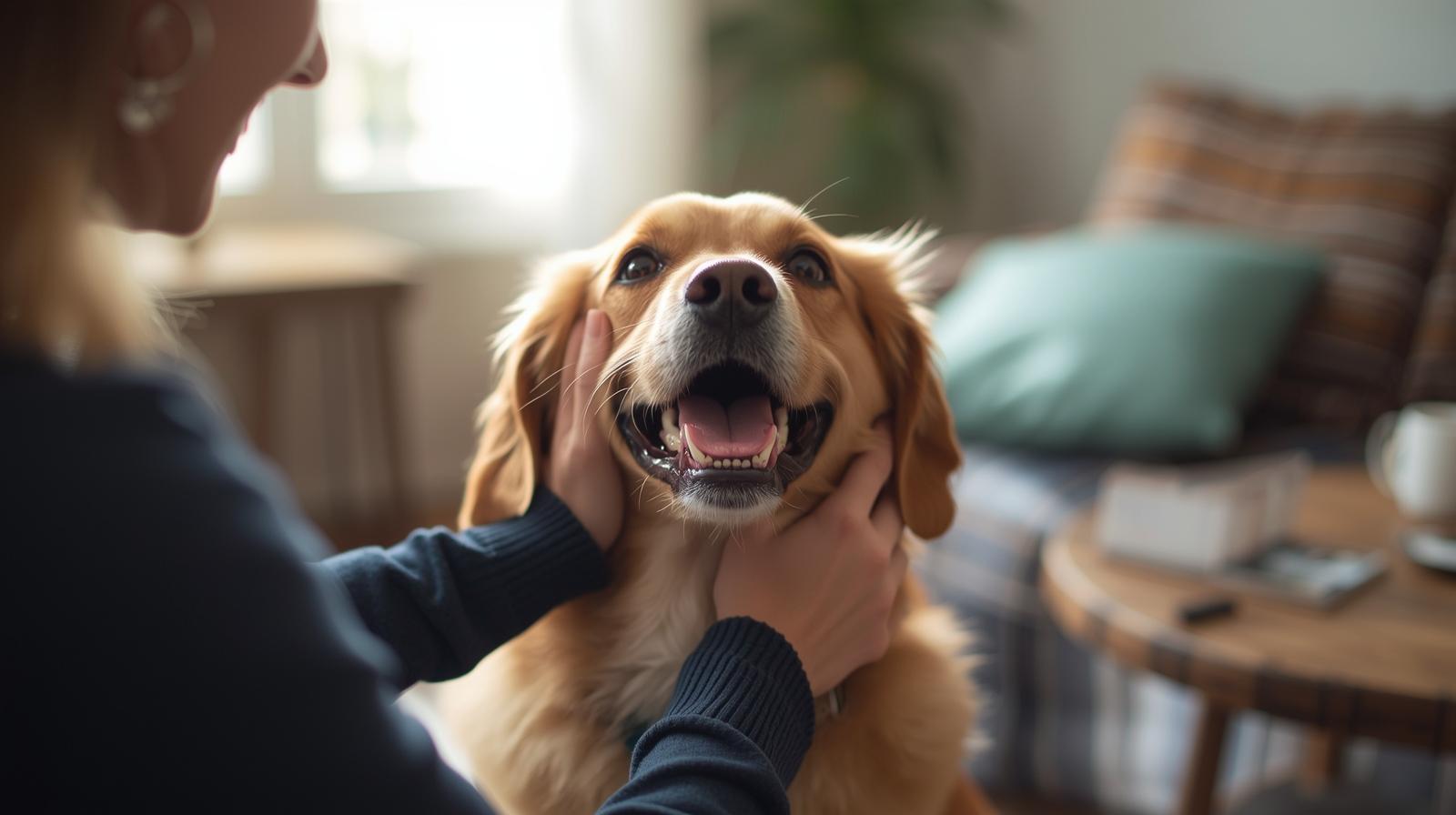
Knowing how to take care of a dog at home is essential for every responsible pet owner in the United States. Proper dog care goes beyond food and shelter—it includes nutrition, grooming, exercise, training, emotional bonding, and preventive health care.
Whether you’ve just adopted a puppy or already own an adult dog, this guide will help you provide professional-level dog care at home while avoiding costly vet bills and common mistakes.
1. Basic Dog Care at Home: What Every Dog Needs

To keep your dog healthy and happy, these five essentials must be part of daily dog care at home:
- Nutritious dog food
- Clean drinking water
- Daily exercise
- Mental stimulation
- Preventive health care
Ignoring any of these areas can lead to obesity, anxiety, or chronic illness.
2. Dog Nutrition: What Should You Feed Your Dog?

Proper nutrition is the foundation of dog care at home.
Best Dog Food Options in the US
- AAFCO-approved dry or wet dog food
- Breed- and age-specific formulas
- Limited-ingredient diets for sensitive dogs
Foods Dogs Must Never Eat
- Chocolate
- Grapes & raisins
- Onions & garlic
- Xylitol (common in sugar-free peanut butter)
💡 Money Tip: Investing in premium dog food reduces vet expenses long-term.
3. Grooming Your Dog at Home (Save Grooming Costs)
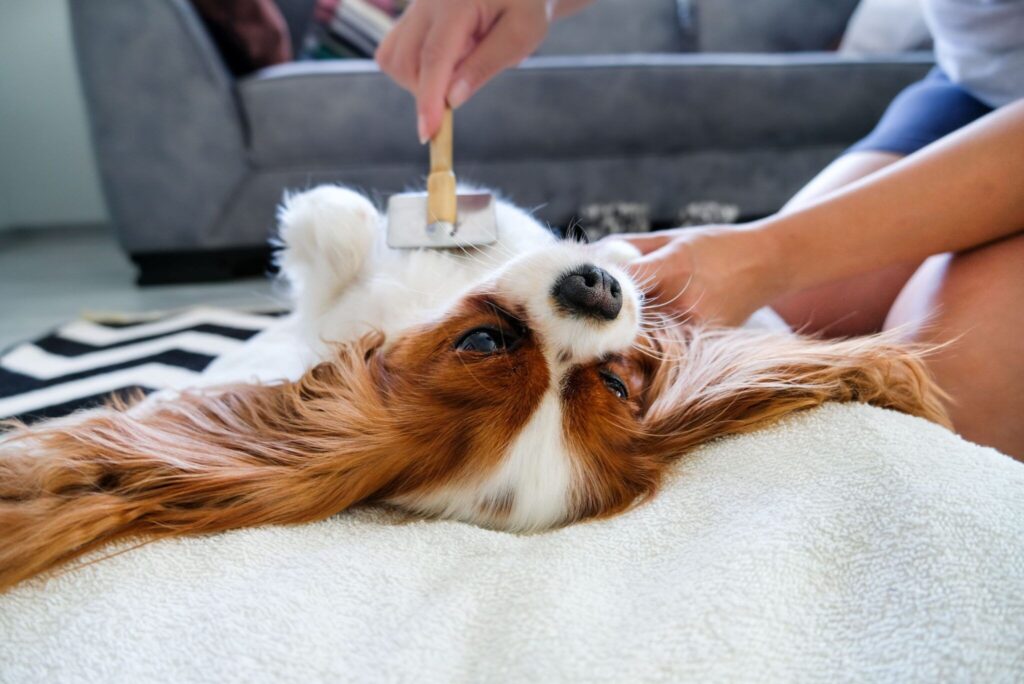
Regular grooming is a critical part of dog care at home and helps you save money on professional grooming services.
Home Grooming Essentials
- Slicker brush or deshedding tool
- Dog shampoo (pH balanced)
- Nail clippers or grinder
- Dog toothbrush & toothpaste
Recommended: Groom your dog at least once a week.
4. Exercise and Daily Activity for Dogs
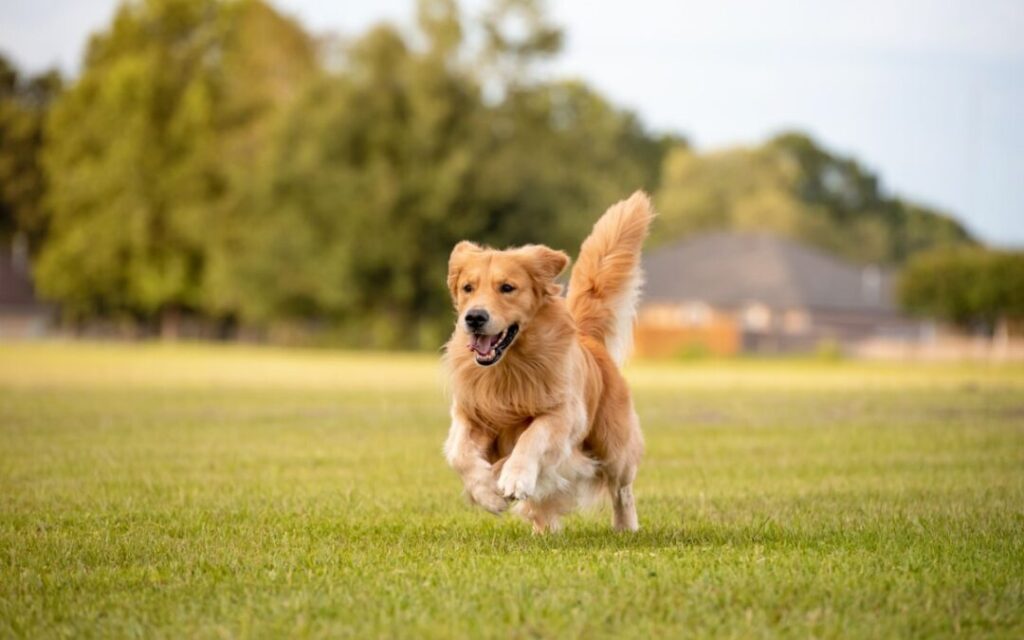
Daily exercise is non-negotiable in dog care.
How Much Exercise Does Your Dog Need?
- Small breeds: 30–45 minutes/day
- Medium breeds: 45–60 minutes/day
- Large & working breeds: 60–90 minutes/day
Activities like leash walks, fetch, and interactive toys prevent obesity and destructive behavior.
5. Dog Training at Home (Beginner-Friendly)
Training is one of the smartest investments in dog care at home.
Basic Commands Every Dog Should Know
- Sit
- Stay
- Come
- Leave it
🎯 Affiliate Opportunity: Online dog training courses are cost-effective and highly effective for US dog owners.
6. Preventive Dog Health Care at Home
Preventive care keeps vet bills low and dogs healthy.
Essential Health Practices
- Annual vet checkups
- Core vaccinations
- Monthly flea & tick prevention
- Heartworm prevention (critical in the US)
💡 Money Tip: Preventive supplements for joints and immunity are cheaper than treatments.
7. Puppy Care vs Adult Dog Care at Home
| Life Stage | Dog Care Focus |
|---|---|
| Puppy | Vaccination, training, socialization |
| Adult | Balanced diet, exercise, routine |
| Senior | Joint support, frequent vet checks |
Tailoring care by age ensures longevity and comfort.
8. Emotional Care: How to Take Care of a Dog at Home (Complete US Dog Care Guide) : 5 Practices and 5 Products
Emotional health is often ignored in dog care.
Ways to bond with your dog:
- Daily playtime
- Gentle affection
- Consistent routine
- Calm leadership
A bonded dog is calmer, healthier, and easier to train.
Frequently Asked Questions (FAQs)
How can I take care of a dog at home without a trainer?
You can use positive reinforcement, consistency, and online training programs.
What is the most important part of dog care?
Nutrition, exercise, and preventive health care are equally important.
Is home grooming safe for dogs?
Yes, if you use dog-specific tools and products.
Best Products for Dog Care at Home (Top Money Picks for US Owners)
Choosing the right products is the fastest way to upgrade dog care at home and prevent expensive vet visits. Below are high-conversion product categories trusted by US dog owners.
1. Best Dry Dog Food (AAFCO Approved)
High-quality dry food improves digestion, coat health, and immunity.
What to look for:
- Real meat as first ingredient
- No artificial colors or fillers
- Breed- and age-specific formulas
👉 Recommended: Premium US-made dog food brands (Affiliate)
2. Dog Multivitamin & Joint Supplements
Joint and immunity supplements are one of the highest-selling dog products in the US.
Benefits:
- Prevent arthritis
- Improve mobility
- Strengthen immune system
👉 Best for: Adult & senior dogs (Affiliate link recommended)
3. Flea, Tick & Heartworm Prevention (Must-Have in the US)
Parasite prevention is non-negotiable in US dog care.
Why it matters:
- Prevents deadly heartworm disease
- Protects against Lyme disease
👉 Top monthly chewables & topical solutions (Affiliate)
4. Home Grooming Kit (Save $600+/Year)
Professional grooming in the US is expensive. A home grooming kit pays for itself in weeks.
Essential tools:
- Deshedding brush
- Nail grinder
- Dog-safe shampoo
👉 Complete grooming kits for home use (Affiliate)
5. Online Dog Training Programs (High-ROI)
Online training courses convert extremely well for beginners.
Why US owners buy them:
- Cheaper than in-person trainers
- Lifetime access
- Step-by-step videos
👉 Vet-approved online dog training courses (Affiliate)
Final Thoughts: Smart Dog Care = Healthy Dog + Lower Costs
Learning how to take care of a dog at home is the smartest decision a US pet owner can make. With the right food, supplements, grooming tools, and training resources, you can give your dog premium care while avoiding thousands of dollars in unnecessary vet bills.
Taking care of a dog at home is more than just following a list of tasks—it’s about creating a meaningful bond. Each of the five practices we discussed—nutrition, exercise, grooming, training, and health care—lays the foundation for a happy, healthy dog. Observing your dog’s unique personality helps you respond to their needs in ways that strengthen trust and companionship. Every dog reacts differently, so flexibility is key. Small adjustments in daily routines can make a huge difference. By combining care with attention, you ensure your dog thrives rather than simply exists. True dog ownership is about commitment, patience, and love.
Learning how to take care of a dog at home. Nutrition is often seen as a basic requirement, but it’s also an expression of care. High-quality food, proper portions, and consideration of age, breed, and health needs all affect your dog’s vitality. Observing how your dog reacts to different foods allows you to fine-tune their diet over time. Hydration is equally important—always provide fresh water and monitor for signs of dehydration. A balanced diet supports energy, immunity, and longevity. Feeding is not just a routine; it’s a way to show respect for your dog’s needs and comfort. Thoughtful nutrition creates a foundation for a healthy, happy life.
Exercise plays a crucial role in a dog’s physical and mental well-being. Walks, play sessions, and opportunities to explore stimulate their minds while preventing stress or destructive behaviors. Tailoring activity to your dog’s age, breed, and health ensures they benefit without overexertion. Exercise also reinforces training and strengthens the bond between you. Shared activities turn daily routines into memorable experiences. Dogs thrive on consistency and engagement. Providing enough movement and stimulation promotes a joyful, balanced lifestyle.
Learning how to take care of a dog at home. Grooming is about much more than appearance—it supports health and comfort. Regular brushing, bathing, nail trimming, and ear cleaning prevent issues while giving you a chance to check for abnormalities. These moments build trust and help your dog feel safe with handling. Establishing grooming routines teaches patience and prepares them for vet visits or emergencies. Even small, consistent efforts can prevent future problems. Grooming strengthens the emotional bond and keeps your dog comfortable every day. Attention to detail makes a meaningful difference in overall well-being.
Training is essential for communication, trust, and safety. Using positive reinforcement and consistency builds confidence and reinforces good behavior. Well-trained dogs are safer and adapt better to home and social environments. Training also strengthens your connection because it requires listening and responding to each other. Mistakes are normal, but patience and empathy create a positive learning environment. Training is a continuous process that pays off in harmony and mutual respect. A dog that understands expectations feels secure and loved.
Routine health care completes the circle of responsible dog ownership. Regular vet visits, vaccinations, dental care, and preventive treatments protect your dog’s health. Observing subtle changes in behavior or appetite helps catch issues early. Health care is proactive, not just reactive, and demonstrates long-term commitment. Combined with proper nutrition, exercise, grooming, and training, it ensures your dog thrives. Caring attentively allows both you and your dog to enjoy life fully. True dog care is a partnership based on love, trust, and respect for every stage of life.
Taking care of a dog at home is more than just completing daily tasks; it’s about building a meaningful and lasting connection. Every action, from feeding to training, reflects your commitment to your dog’s well-being. Dogs communicate largely through behavior, so learning to read their signals is essential. Observing their moods, energy levels, and reactions allows you to meet their needs proactively. Care is not a one-size-fits-all approach, as every dog has its own personality and preferences. Flexibility and attentiveness are key. When you combine structure with love, you foster a bond that is truly rewarding.
Nutrition is more than just feeding; it’s the foundation of your dog’s health. Choosing high-quality food suited to your dog’s age, size, and breed is vital. Some dogs may develop sensitivities or preferences, and noticing these helps you adjust their diet accordingly. Fresh water is equally important, supporting hydration and overall vitality. Regular feeding schedules create stability, which dogs appreciate. Feeding time can also be an opportunity to observe your dog’s behavior and energy. Thoughtful nutrition contributes to longer, healthier, and happier lives.
Exercise is essential for both physical and mental well-being. Walks, playtime, and exploration allow your dog to release energy and stimulate their minds. Consistent physical activity prevents stress, boredom, and destructive behaviors. Tailoring exercise routines to your dog’s breed, age, and health ensures maximum benefit without strain. Play and training often overlap, creating opportunities for bonding and skill reinforcement. Dogs thrive on routine, and a predictable exercise schedule helps them feel secure. Active dogs are not only healthier but also more confident and content.
Grooming is a crucial, often underestimated aspect of care. Brushing, bathing, nail trimming, and ear cleaning maintain health and comfort. Regular grooming also provides a chance to check for skin issues, lumps, or other abnormalities. These sessions foster trust and patience while getting your dog accustomed to handling. Grooming teaches dogs to stay calm during vet visits and other necessary procedures. Even small grooming habits can prevent bigger health problems later. Overall, this practice strengthens your bond while keeping your dog comfortable and healthy.
Training is about communication, trust, and safety. Positive reinforcement builds good habits and strengthens the dog-owner relationship. Consistency in commands and expectations helps your dog feel secure and confident. Well-trained dogs adapt better to different environments and social situations. Training also encourages mental stimulation, which is crucial for active, intelligent breeds. Mistakes are part of the learning process, and patience is essential. Over time, training transforms everyday routines into opportunities for learning and connection.
Routine health care is a cornerstone of responsible dog ownership. Regular vet visits, vaccinations, dental care, and parasite prevention maintain long-term wellness. Observing changes in appetite, energy, or behavior allows early detection of potential issues. Preventive care reduces stress, cost, and complications later in life. Health maintenance works hand-in-hand with exercise, nutrition, and grooming to ensure your dog thrives. By prioritizing proactive care, you safeguard your dog’s quality of life. Attentive health care reflects love and commitment.
Beyond structured care, emotional well-being is equally important. Dogs are highly social and sensitive to their owner’s emotions. Providing reassurance, affection, and positive interactions reduces stress and promotes confidence. Time spent together, whether in play or quiet companionship, strengthens the bond. Dogs who feel emotionally secure are more likely to respond positively to training and routines. Understanding and respecting your dog’s emotional cues creates harmony in the home. Emotional care is a subtle but vital part of responsible ownership.
Consistency in daily routines benefits both you and your dog. Dogs thrive on predictability, which reduces anxiety and confusion. Feeding times, walks, training sessions, and bedtime rituals create structure that dogs rely on. Consistency does not mean rigidity—it allows flexibility within a safe framework. Predictable routines also make it easier to notice changes in behavior or health. Maintaining routines shows your dog that their world is stable and secure. A structured environment encourages confidence and trust.
Socialization is another key aspect of comprehensive dog care. Exposing your dog to different environments, people, and animals helps them develop adaptability and confidence. Proper socialization reduces fear-based aggression and anxiety. It also creates opportunities for enrichment, mental stimulation, and positive experiences. Social interactions strengthen your dog’s resilience and comfort in new situations. Early and ongoing socialization contributes to a well-rounded, happy dog. Supporting social growth is an investment in your dog’s lifelong quality of life.
Patience and empathy are at the heart of successful dog ownership. Training setbacks, behavioral challenges, or health issues can be frustrating, but approaching them with understanding makes a difference. Dogs respond better to calm guidance than punishment. Patience allows you to recognize small improvements and celebrate progress. Empathy strengthens your connection, showing your dog they are understood and safe. Over time, consistent kindness fosters mutual respect and deep trust. Ownership is not just about responsibility—it’s about cultivating a loving partnership.
Observation is one of the most powerful tools for caring for your dog. Paying attention to subtle changes in behavior, appetite, or energy helps you detect potential problems early. Dogs cannot always communicate discomfort verbally, so vigilance is crucial. Keeping notes or mental records of patterns can assist in vet visits and care planning. Observation also helps you understand your dog’s preferences, improving routines and interactions. Attentive owners create environments where dogs feel secure and supported. This proactive approach is key to long-term health and happiness.
Finally, dog care is a journey, not a destination. Each stage of life brings new challenges and joys, from playful puppyhood to more sedentary senior years. Adjusting routines, diets, and activities as your dog ages is part of the responsibility. The love, companionship, and loyalty your dog offers in return are invaluable. Caring for a dog enriches your life as much as theirs. By combining structured care, emotional support, and observation, you create a partnership built on trust, respect, and affection. Every effort invested in your dog’s well-being brings lifelong rewards.
Understanding how to take care of a dog at home goes beyond feeding and walking. It requires observing their behavior, mood, and energy daily. Dogs communicate in subtle ways, and noticing small changes can prevent bigger issues. By being attentive, you create a safe and nurturing environment. Each interaction, whether a cuddle or a training session, reinforces trust. Learning these details helps you anticipate your dog’s needs. Mastering this awareness is key to responsible and loving care.
One essential aspect of how to take care of a dog at home is creating a comfortable living space. Dogs need a place where they feel secure and can rest undisturbed. Clean bedding, accessible water, and a safe area for play all contribute to their well-being. A designated space also helps them learn routines and boundaries. Comfort is not just physical; it affects emotional health too. When dogs feel safe at home, they are calmer, happier, and more responsive. Providing a welcoming environment is a fundamental step in dog care.
Exercise routines are a major component of how to take care of a dog at home. Regular walks, playtime, and mental stimulation prevent boredom and destructive behavior. Tailoring activities to your dog’s age, breed, and energy level ensures they stay fit and happy. Even short interactive games can provide mental enrichment. Exercise also strengthens your bond through shared experiences. Active dogs are healthier, more confident, and emotionally balanced. Consistent activity is a cornerstone of a well-rounded care plan.
Proper nutrition is central when considering how to take care of a dog at home. Feeding high-quality food in the right portions supports growth, immunity, and overall health. Some dogs may need special diets based on age or health conditions, so attention to detail is essential. Hydration should never be overlooked, as water is vital for all bodily functions. Observing how your dog responds to their diet allows adjustments for optimal well-being. Mealtime is not just a routine but an opportunity to monitor your dog’s health and habits. Thoughtful feeding practices reflect your dedication.
Grooming is a frequent but often underestimated part of how to take care of a dog at home. Regular brushing, bathing, and nail trimming prevent discomfort and maintain health. Grooming sessions also provide a chance to check for skin issues, parasites, or unusual lumps. Dogs quickly learn to trust gentle and consistent handling. Small, consistent grooming routines prevent bigger problems in the future. Beyond health, grooming strengthens the bond between you and your dog. A well-groomed dog is a happy and comfortable companion.
Training is a key aspect of how to take care of a dog at home. Teaching commands, social behaviors, and house rules ensures safety and harmony. Positive reinforcement builds confidence and reduces stress. Training sessions also provide mental stimulation, which is essential for intelligent breeds. Consistency and patience make learning enjoyable for your dog. Proper training transforms everyday interactions into opportunities for growth and bonding. A dog that understands expectations is more secure and cooperative at home.
Routine health care is another cornerstone of how to take care of a dog at home. Regular vet checkups, vaccinations, dental care, and parasite prevention keep your dog healthy. Observing subtle changes in appetite, mobility, or behavior allows early detection of issues. Preventive care reduces stress, treatment costs, and complications. Health care combined with nutrition, exercise, grooming, and training ensures a holistic approach. Attentive care demonstrates love and commitment. Long-term wellness begins with consistent preventive practices.
Emotional support is equally important in how to take care of a dog at home. Dogs are social animals and thrive on affection, reassurance, and companionship. Providing calm, positive interactions reduces anxiety and strengthens your bond. Recognizing when your dog needs attention or space fosters emotional security. Simple gestures, like gentle petting or quiet company, can make a big difference. A dog that feels emotionally safe is happier, healthier, and more responsive. Emotional care complements physical routines for complete well-being.
Socialization is often overlooked in how to take care of a dog at home. Introducing your dog to new people, animals, and environments promotes confidence and adaptability. Positive social experiences prevent fear, aggression, and anxiety. Early and ongoing socialization helps dogs navigate new situations calmly. Social interactions provide mental stimulation and enrichment. By supporting social growth, you ensure your dog develops into a well-rounded companion. Socialization is a vital part of raising a happy, resilient dog.
Finally, consistency and observation are critical when learning how to take care of a dog at home. Maintaining routines provides security and predictability for your dog. Observing changes in behavior, appetite, or health ensures timely intervention. Patience and empathy are essential during training or challenges. Every moment of attentive care strengthens the bond between you and your dog. Dog care is a journey, evolving with your pet’s needs over time. Mastering these practices leads to a rewarding, lifelong partnership built on trust and love.
If you’re serious about responsible dog ownership, start by upgrading your dog care routine with the recommended products above. Your dog’s health—and your wallet—will thank you.
William Brooks is a passionate dog care expert with extensive knowledge in canine nutrition, behavior, and training. After years of extensive experience, William is committed to assisting dog owners in raising healthier, happier, and well-adjusted dogs. William is known for his no-nonsense approach to addressing various dog care concerns, and he has the ability to break down tough issues into simple steps that will actually give you results. No need to ask why – his aim is simple: better care, better nutrition, better dogs.
3 thoughts on “Ultimate Guide to How to Take Care of a Dog at Home: 5 Practices”